Industrial Hygiene in 2026
By Mairis Ramos, Director/OSHA Education/Environmental Manager (Tulsa)
Mairis Ramos hales from Venezuela as an Industrial Engineer with 10 years of experience in Safety, Environment and Occupational Health. Her ability to implement accident reduction programs is a testament to her commitment to excellence and innovation in the field of industrial engineering.
In 2026, many companies have stronger safety programs, more digital tools, and greater awareness of workplace risks than ever before. However, industrial hygiene concerns are still being missed in day-to-day operations. Too often, organizations focus on visible safety issues while underestimating the health-related conditions that quietly affect employees, operations, and compliance. Industrial hygiene is not only about sampling or responding to complaints. It is about proactively recognizing hazards, understanding exposure potential, and making informed decisions before a problem grows.
Companies Still Wait Too Long to Investigate Concerns
A common mistake is waiting until employees’ report symptoms such as headaches, irritation, odors, fatigue, or discomfort before taking action. By the time a complaint reaches management, the issue may have already affected morale, productivity, or confidence in the workplace. A stronger industrial hygiene approach starts with early recognition and routine observation—not just reaction.
Safety Programs Do Not Always Address Exposure Risks
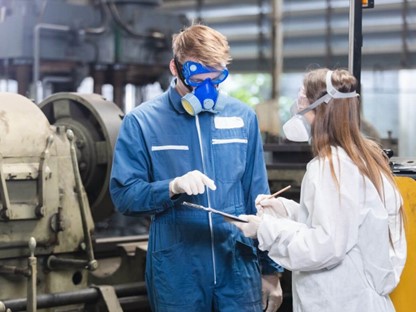
Many organizations have PPE requirements, training, and safety meetings, but still have gaps in exposure assessment. A workplace can appear organized and compliant while still overlooking airborne contaminants, noise exposure, thermal stress, or ventilation-related issues. Safety and industrial hygiene support one another, but they are not the same thing.
Indoor Air Quality Is Still Underestimated
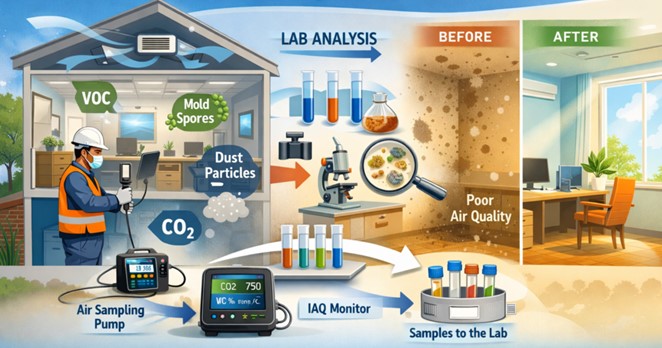
Indoor Air Quality (IAQ) remains one of the most misunderstood workplace concerns. Complaints are often reduced to “bad air” or “maybe mold,” when the true issue may involve poor ventilation, humidity imbalance, cleaning products, dust, odor migration, process emissions, or occupant density. A practical IAQ assessment starts with a walkthrough, understanding the complaint, and identifying likely sources before jumping into unnecessary testing.
 Noise Is Still Treated as “Normal”
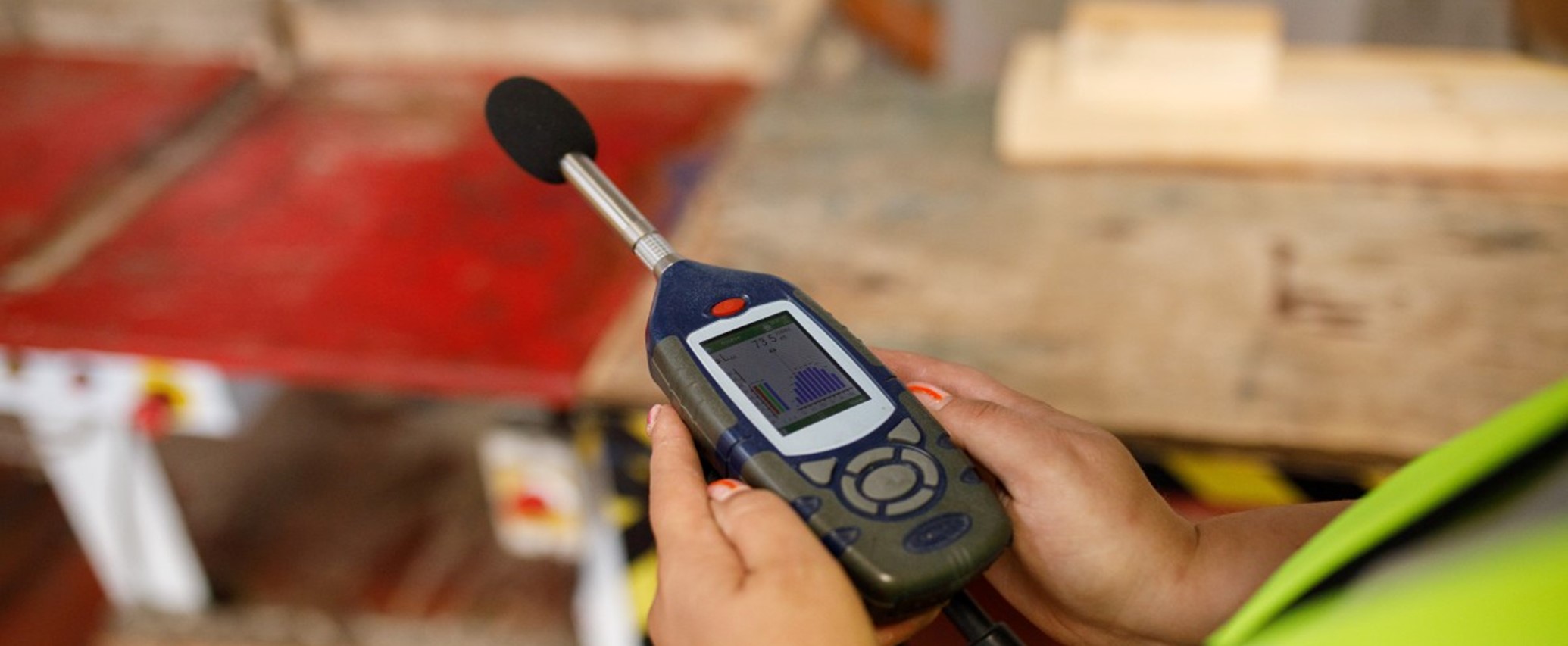
In many facilities, excessive noise is so common that it becomes part of the background. That is exactly why it gets missed. Noise monitoring helps determine actual employee exposure over time and whether current controls are truly effective. Assuming hearing protection solves the problem is not enough.
Heat Stress and Indoor Thermal Conditions Are Growing Risks
Heat is not only an outdoor issue. Indoor work environments with process heat, poor airflow, physically demanding tasks, or inadequate cooling can create real occupational health concerns. Heat affects concentration, fatigue, performance, and overall worker tolerance—making it both a health issue and an operational issue.
Scope of Service Still Gets Misunderstood
Not every industrial hygiene concern requires a full-scale investigation on day one. Sometimes the most valuable first step is a qualified walkthrough, targeted field measurements, and a clear explanation of what the issue may—or may not—be. Defining scope early helps clients avoid unnecessary cost while ensuring the right problem is being evaluated.
Industrial Hygiene Should Be Used as a Business Tool
The strongest organizations in 2026 are using industrial hygiene as a decision-making tool, not just a compliance service. When companies evaluate workplace conditions proactively, they improve employee confidence, strengthen documentation, reduce hidden risk, and make smarter operational decisions.
Conclusion
The biggest industrial hygiene gaps today are often caused by assumptions, delayed response, and unclear understanding of workplace exposures. Organizations that want to stay ahead should not wait for complaints, incidents, or inspections to start asking the right questions. A practical industrial hygiene program helps identify concerns early, improve workplace conditions, and support healthier, more resilient operations.