Saguaro National Park: A Living Cathedral of the Sonoran Desert
By Michael Jameson, Sr. Regulatory Specialist (Tulsa, OK)
Michael Jameson holds degrees from Oklahoma State University (Stillwater), the University of Oklahoma (Norman) and the University of Michigan (ABD – Ann Arbor). In serving his entire tenure as a Regulatory Specialist with Vanguard, he founded the company in 1992 and is ranked at the “expert” level in chess.
Few landscapes in North America feel as instantly iconic—or as deeply alive—as the Sonoran Desert surrounding Tucson, Arizona. At first glance, it can seem austere, even empty. But step into Saguaro National Park, and the desert reveals itself as a place of astonishing abundance, complexity, and resilience. The park is a sanctuary for the saguaro cactus, the towering symbol of the American Southwest, and a refuge for thousands of species that have evolved to thrive in one of the most biologically diverse deserts on Earth.

Spanning more than 91,000 acres across two districts—Rincon Mountain District (East) and Tucson Mountain District (West)—Saguaro National Park is more than a postcard of cactus silhouettes against a blazing sunset. It is a living laboratory of adaptation, a cultural landscape shaped by Indigenous peoples for millennia, and a reminder that deserts are not barren wastelands but vibrant ecosystems pulsing with life.
A Tale of Two Districts: East and West
Although united under one name, the two halves of Saguaro National Park offer distinct ecological experiences.
Tucson Mountain District (West)
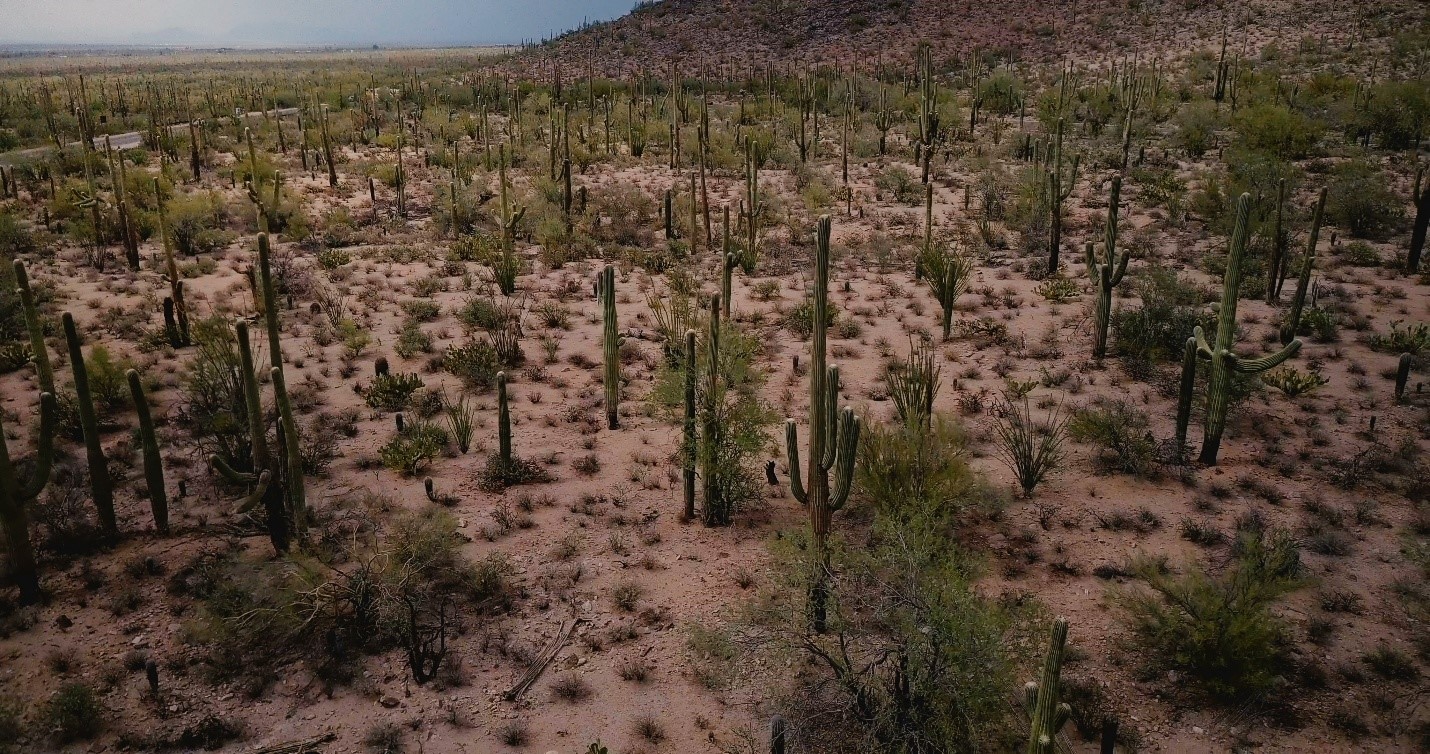
Closer to downtown Tucson, the western district is famous for its dense saguaro forests. Here, the cacti grow in staggering numbers, creating a skyline of spiny giants. The terrain is lower in elevation, hotter, and drier, which makes it ideal for saguaros and other classic Sonoran Desert species.
Rincon Mountain District (East)
The eastern district climbs dramatically into the Rincon Mountains, rising from desert scrub to oak woodlands, pine forests, and even high-elevation grasslands. This vertical diversity creates a mosaic of habitats, each with its own community of plants and animals. Few national parks offer such a compact cross-section of ecological zones. Together, the two districts showcase the full spectrum of Sonoran Desert biodiversity—from the parched valley floors to the cool, forested heights.
The Saguaro: Monarch of the Desert
Saguaros grow slowly—painfully slowly. A ten-year-old saguaro may be only a few inches tall. It can take 50 to 70 years before it grows its first arm, and some individuals live for 150 to 200 years. Their longevity is a testament to patience and adaptation: thick pleated skin stores water, shallow roots spread wide to capture rainfall, and internal woody ribs provide structural support.
A Keystone Species
Saguaros are the beating heart of the desert food web. Their flowers, fruits, and structure support dozens of species:
- Gila woodpeckers and gilded flickers carve nest cavities in the cactus’ flesh.
- Elf owls, purple martins, and screech owls later occupy abandoned cavities.
- Bats, including the lesser long-nosed bat, pollinate the saguaro’s night-blooming flowers.
- Coyotes, javelinas, and desert tortoises feast on fallen fruit.
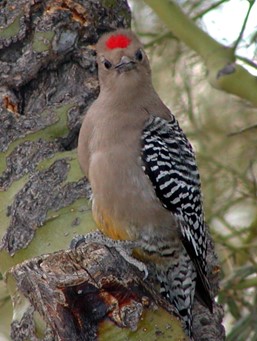
A single saguaro can host an entire community of organisms over its lifetime. Its presence shapes the desert around it/
A Desert of Surprising Abundance
The Sonoran Desert is often described as the lushest desert in the world, and Saguaro National Park is one of its crown jewels. The region receives two rainy seasons—winter rains and summer monsoons—which support a remarkable diversity of life.
Flora: More Than Just Cacti
While saguaros steal the spotlight, the park is home to hundreds of plant species:
- Cholla cacti (teddy bear, chain-fruit, staghorn)
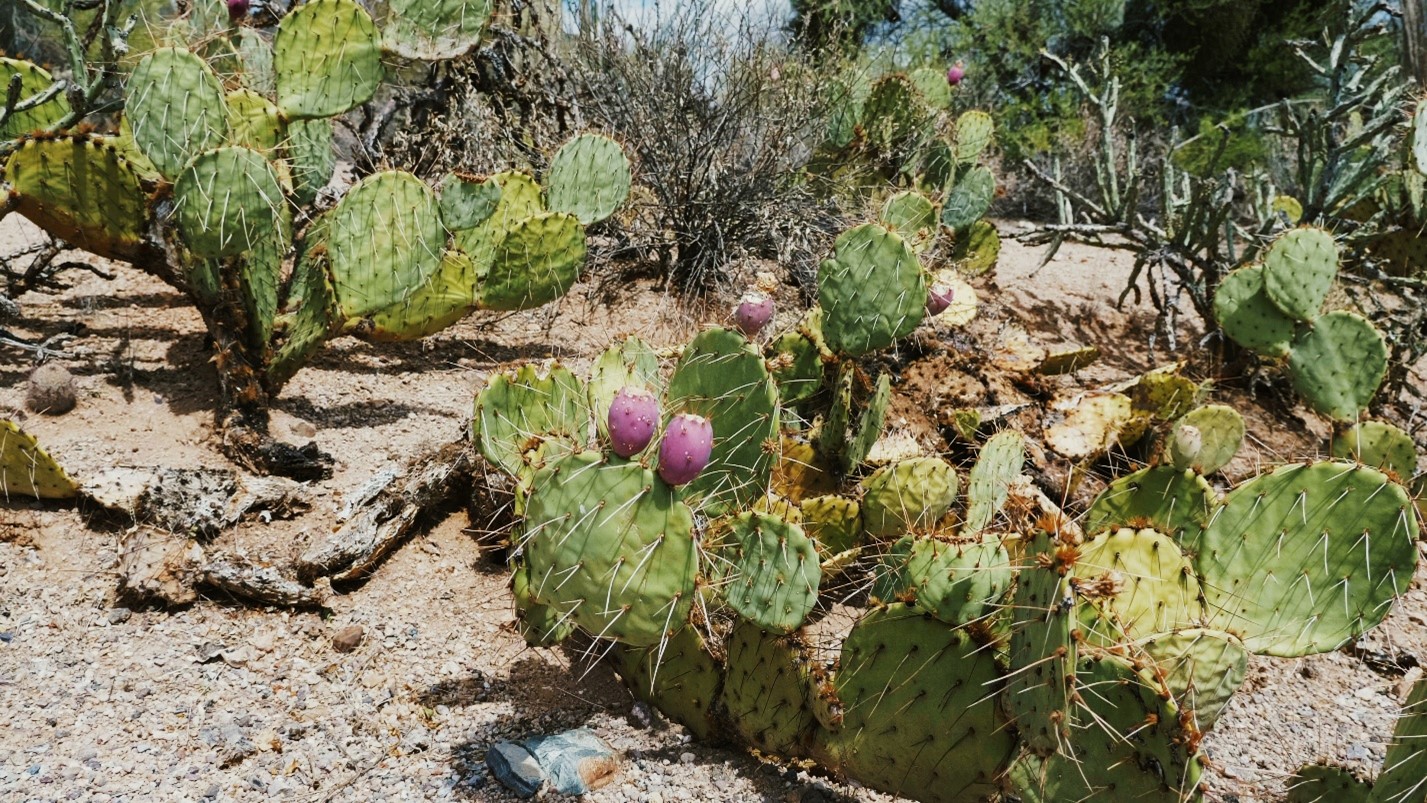
- Prickly pear
- Ocotillo, which erupts in red blooms after rain
- Creosote bush, one of the oldest living organisms on Earth
- Mesquite, palo verde, and ironwood trees
- Agave and yucca, vital to pollinators and Indigenous cultures
In the Rincon Mountains, the vegetation shifts dramatically with elevation. Desert scrub gives way to oak woodlands, then ponderosa pine forests, and finally mixed conifer zones near the peaks. This gradient allows species from very different climates to coexist within the park’s boundaries.
Fauna: Masters of Adaptation
Life in the desert requires ingenuity. Animals here have evolved to conserve water, avoid heat, and exploit every ecological niche.
Mammels
- Desert bighorn sheep navigate rocky cliffs with ease.
- Javelinas root for prickly pear pads and fruit.
- Kangaroo rats survive without ever drinking liquid water.
- Mountain lions roam the higher elevations of the Rincon Mountains.
- Bobcats, coyotes, and foxes are common throughout the park.
Birds
Birdlife is especially rich, with more than 200 species recorded.
- Cactus wrens, Arizona’s state bird, nest in cholla cacti.
- Harris’s hawks hunt cooperatively in family groups.
- Gila woodpeckers and flickers are essential to saguaro ecology.
- Roadrunners dash between shrubs in search of lizards and insects.
Reptiles and Amphibians
The desert is a reptile paradise.
- Gila monsters, one of the world’s few venomous lizards, lurk in rocky crevices.
- Desert tortoises dig burrows to escape the heat.
- Western diamondback rattlesnakes patrol the desert floor.
- During monsoon season, spadefoot toads emerge from underground to breed in temporary pools.

Invertebrates
From tarantulas to giant desert centipedes to pollinating bees, the park’s invertebrate life is both diverse and ecologically essential.
The Monsoon: A Seasonal Transformation
Summer monsoons are the desert’s lifeblood. When the first storms roll in—often with dramatic lightning displays—the landscape transforms almost overnight.
- Saguaros swell with water.
- Ocotillos leaf out in vibrant green.
- Wildflowers bloom in bursts of color.
- Toads and insects emerge in explosive numbers.
- This seasonal pulse of moisture drives much of the desert’s biodiversity. Many species time their reproduction, migration, or growth cycles around the monsoon’s arrival.
Indigenous Connections: A Cultural Landscape
Long before it became a national park, this land was home to Indigenous peoples whose relationship with the desert remains strong today.
The Tohono O’odham Nation
The Tohono O’odham have lived in the region for thousands of years. T o them, the saguaro is not just a plant—it is a relative. Their creation stories describe the saguaro as emerging from a child who sank into the earth and transformed into the cactus. The annual saguaro fruit harvest, or ha:san bak, is a cultural tradition that continues today. The fruit is used to make syrup, jam, and ceremonial wine.
Hohokam Legacy
Archaeological evidence shows that the Hohokam people built extensive irrigation systems in the Tucson Basin. Petroglyphs, pottery fragments, and ancient dwellings found within the park reflect a deep human history intertwined with the desert ecosystem.
Threats to the Desert Ecosystem
Despite its resilience, Saguaro National Park faces significant challenges.
-
Climate Change
Rising temperatures and prolonged drought threaten the survival of young saguaros, which are especially vulnerable to heat stress. Changes in rainfall patterns may disrupt the delicate timing of flowering, fruiting, and pollination.
-
Invasive Species
Non-native grasses such as buffelgrass pose a major threat. Buffelgrass grows densely and burns easily, introducing wildfire into an ecosystem not adapted to frequent fire. Saguaros, in particular, are highly susceptible to fire damage.
-
Pollinator Decline
Bats, bees, and birds that pollinate desert plants face threats from habitat loss and climate shifts. Their decline could ripple through the entire ecosystem.
-
Buffelgrass Removal
- Volunteers and park staff conduct regular removal events to control invasive grasses. This is one of the most urgent conservation priorities.
-
Saguaro Monitoring
- Long-term research tracks saguaro growth, mortality, and reproduction. These data help scientists understand how climate change is reshaping the desert.
-
Wildlife Corridors
- Efforts to maintain and restore natural corridors help species move safely between habitats, especially in the Rincon Mountains.
-
Community Science
- Programs like bird counts, reptile surveys, and plant monitoring engage the public in conservation and deepen understanding of the desert ecosystem.

Experiencing the Park: A Landscape of Wonder
Visitors to Saguaro National Park can explore its biodiversity firsthand through hiking, scenic drives, and ranger programs.
Popular Trails
- Valley View Overlook Trail (West): Sweeping views of dense saguaro forests.
- Signal Hill Trail (West): Home to ancient petroglyphs.
- Cactus Forest Loop Drive (East): A stunning scenic route through diverse habitats.
- Tanque Verde Ridge Trail (East): A challenging hike into the Rincon Mountains.
Nighttime Magic
The desert comes alive after dark. Nocturnal animals emerge, temperatures drop, and the sky fills with stars. The park’s low light pollution makes it an excellent stargazing destination.
Why Saguaro National Park Matters
Saguaro National Park is more than a protected landscape—it is a testament to the resilience of life in extreme environments. Its biodiversity reflects millions of years of adaptation, cooperation, and ecological balance. The saguaro itself stands as a symbol of endurance, patience, and interconnectedness. In a world facing rapid environmental change, the park reminds us that even the harshest landscapes can be rich with life—and that protecting them requires understanding, respect, and action.