Acadia National Park: A Study in Diversity Among America’s National Parks
By Michael Jameson, Sr. Regulatory Specialist (Tulsa, OK)
Michael Jameson holds degrees from Oklahoma State University (Stillwater), the University of Oklahoma (Norman) and the University of Michigan (ABD – Ann Arbor). In serving his entire tenure as a Regulatory Specialist with Vanguard, he founded the company in 1992 and is ranked at the “expert” level in chess.
Acadia National Park, perched along the rugged Atlantic coast of Maine, is one of the most geographically compact yet ecologically and culturally diverse parks in the United States. While many national parks are defined by a single dominant landscape—towering mountains, vast deserts, sweeping plains—Acadia is defined by its mosaic. Within just 49,000 acres, visitors encounter granite peaks, subalpine forests, salt marshes, rocky shorelines, glacial lakes, historic carriage roads, and vibrant coastal communities. This density of varied environments makes Acadia a unique case study in how diversity can manifest in a national park, especially when compared to the sprawling, iconic parks of the American West.
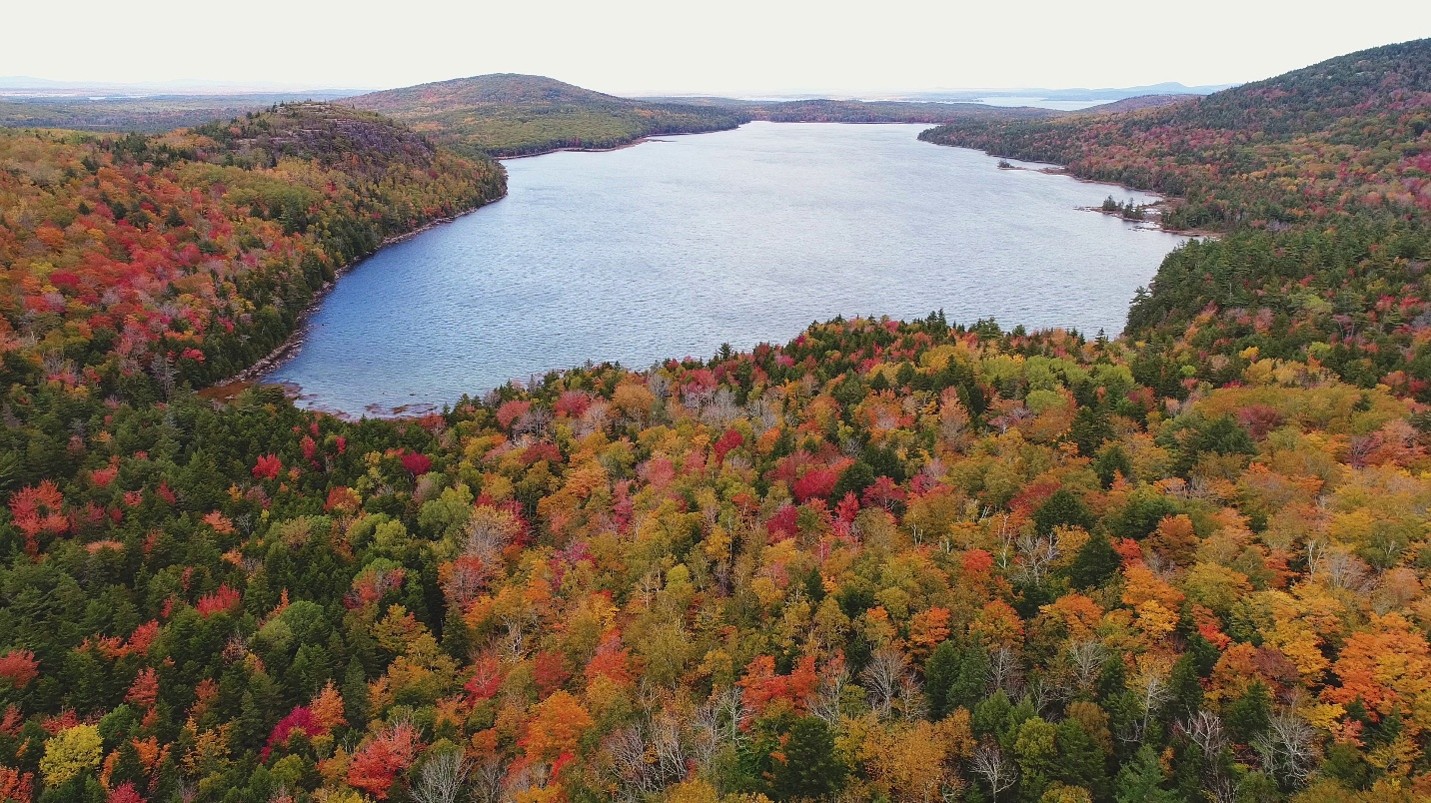
This article explores Acadia’s distinctive ecological, geological, and cultural diversity, and places it in context with other national parks across the United States. In doing so, it highlights how Acadia’s compactness, coastal location, and human history create a different kind of national park experience—one that blends wilderness with community, solitude with accessibility, and natural beauty with cultural heritage.
A Landscape Shaped by Ice, Ocean, and Time
Acadia’s diversity begins with its geological foundation. The park’s dramatic scenery is the result of ancient tectonic activity and more recent glacial sculpting. Cadillac Mountain, the highest peak on the U.S. Atlantic coast at 1,530 feet, is composed of pink granite formed over 400 million years ago. During the last Ice Age, glaciers carved deep valleys, rounded summits, and left behind a series of lakes and ponds that now define the park’s interior.
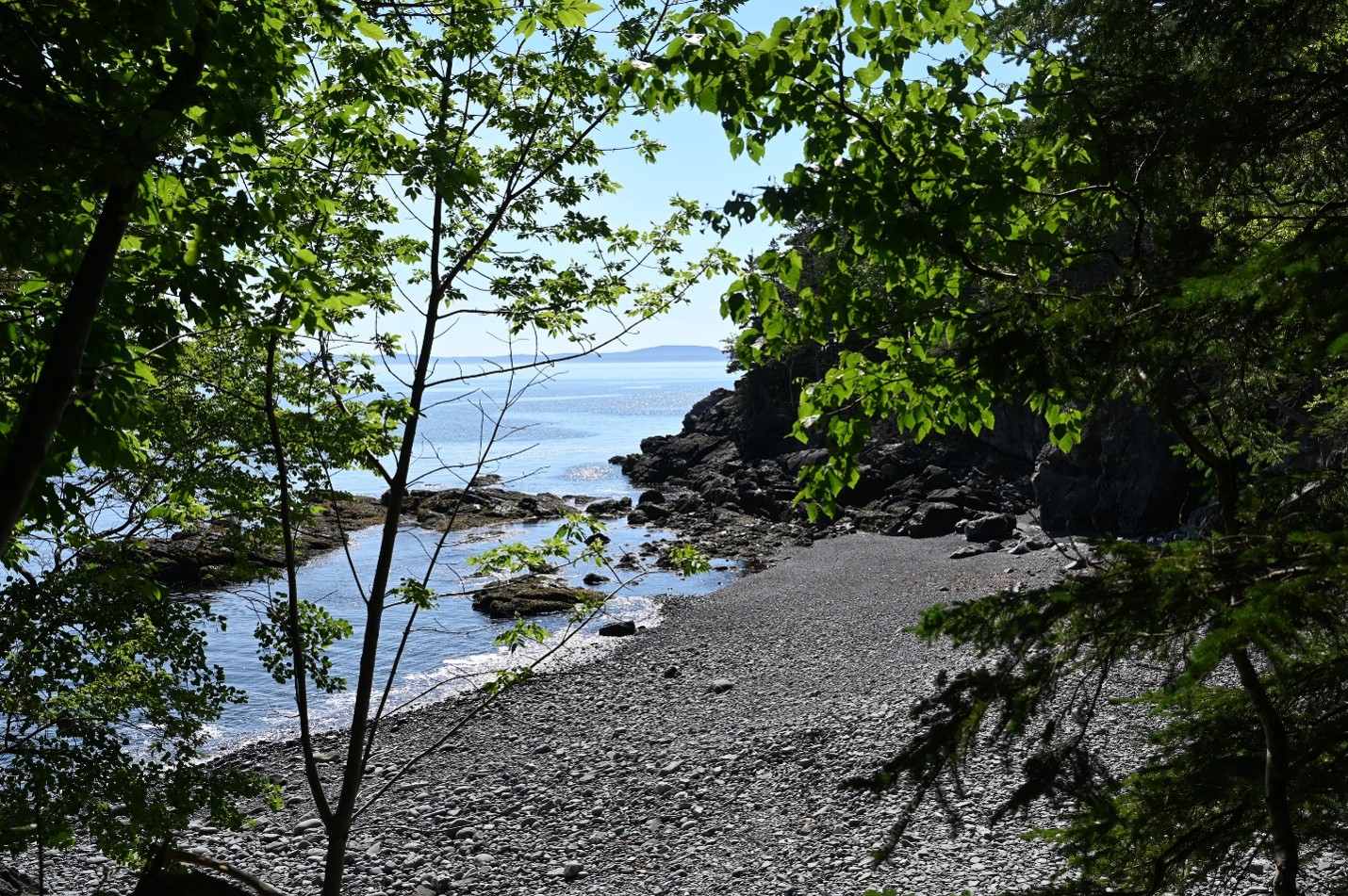
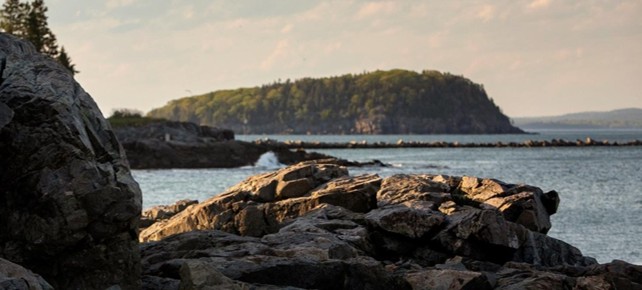
The coastline adds another layer of complexity. Unlike the sandy beaches of the southern Atlantic, Acadia’s shores are rugged and rocky, shaped by relentless waves and tides. Thunder Hole, a narrow inlet where waves crash with explosive force, exemplifies the dynamic interaction between land and sea. Salt marshes, tidal pools, and cobblestone beaches create microhabitats that support species not found in inland parks.
This combination of mountains, forests, freshwater lakes, and ocean coastline is rare in the national park system. Only a handful of parks—Olympic National Park in Washington being the most notable—offer a similar range of ecosystems within a relatively small area. But even Olympic, at nearly one million acres, spreads its diversity across a vast landscape. Acadia compresses its variety into a space small enough to explore in a few days, making the contrasts more immediate and accessible.
Ecological Diversity: A Meeting Point of Biomes
Acadia sits at the transition zone between northern boreal forests and temperate deciduous forests. As a result, its plant and animal life includes species from both biomes. Red spruce and balsam fir dominate higher elevations, while oak, maple, and birch thrive in lower areas. This blend creates striking seasonal changes, especially in autumn when the park’s foliage draws visitors from around the world.
Wildlife diversity is similarly shaped by Acadia’s varied habitats. The park is home to:
- Moose, though sightings are rare due to the park’s small size;
- White-tailed deer, abundant throughout the park;
- Black bears, though they are seldom seen;
- Beavers, whose dams shape freshwater ecosystems;
- Peregrine falcons, reintroduced successfully after near-extinction;
- Harbor seals, often spotted along the coast;
- Over 300 bird species, making Acadia a major birdwatching destination.

Compared to larger parks like Yellowstone or Glacier, Acadia’s megafauna population is limited. You won’t find grizzly bears, bison, wolves, or mountain goats. But what Acadia lacks in large mammals, it makes up for in species density—the number of species per acre. Its compact size and varied habitats create a high concentration of biodiversity, especially among birds, marine life, and plant species.
Human History and Cultural Diversity
One of Acadia’s most distinctive features is the presence of human history woven directly into the landscape. Unlike many western parks, which were established in areas with minimal permanent settlement, Acadia developed alongside thriving coastal communities.
Indigenous Heritage
The Wabanaki people have lived in the region for thousands of years. Their deep connection to the land is reflected in place names, traditional stories, and ongoing cultural practices. Acadia’s mountains, rivers, and coastline were integral to Wabanaki hunting, fishing, and navigation. Today, the park collaborates with Wabanaki tribes to preserve cultural sites and educate visitors about Indigenous history.
The Era of Wealthy Conservationists
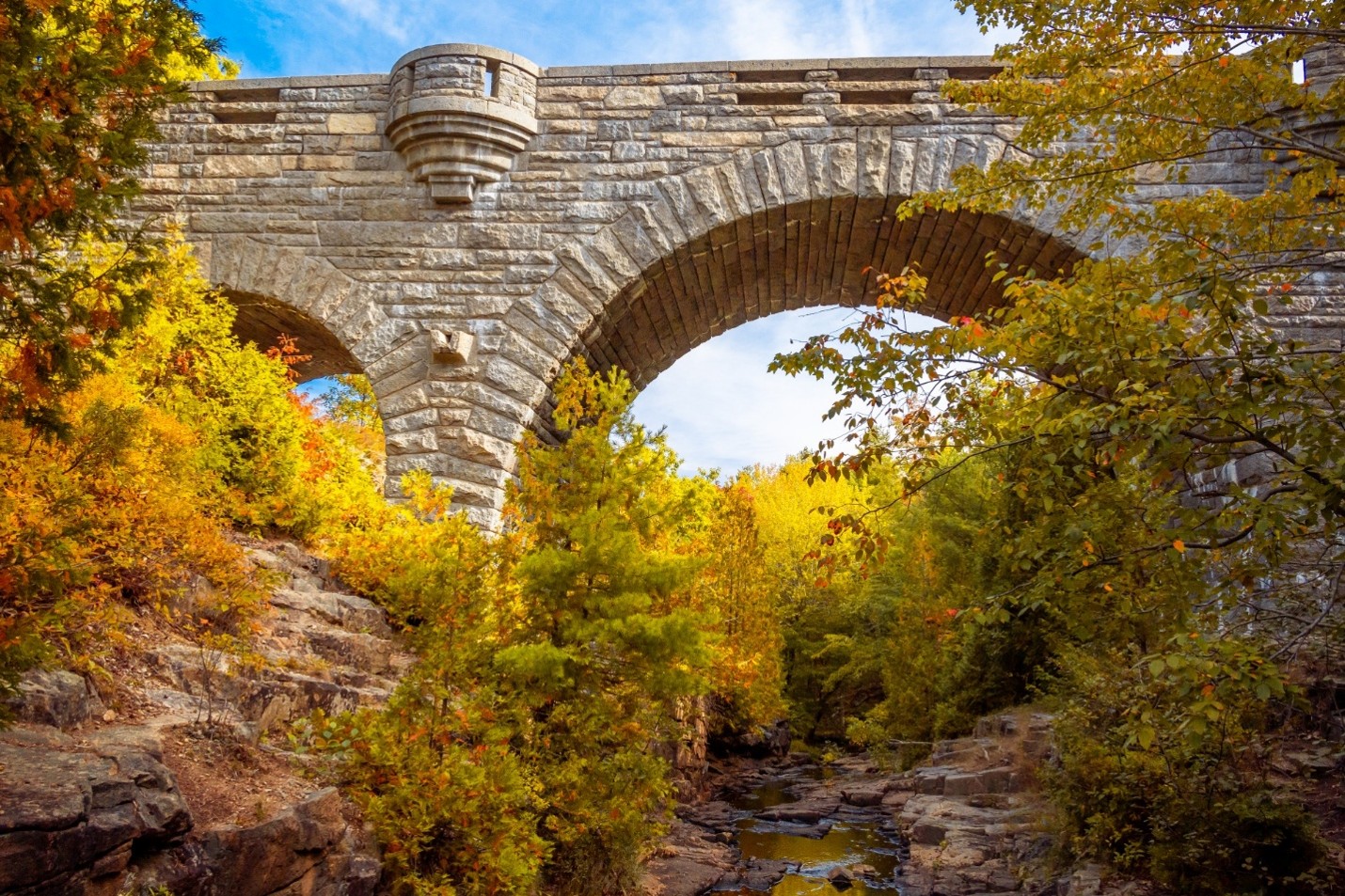
Acadia is also shaped by early 20th century philanthropy. Wealthy families—including the Rockefellers—played a major role in preserving the land and developing its infrastructure. John D. Rockefeller Jr. funded and oversaw the construction of 45 miles of carriage roads, complete with stone bridges and gatehouses. These roads, designed for horse-drawn carriages, now serve as one of the park’s most beloved features for hikers, cyclists, and equestrians.
This blend of natural and human-made beauty sets Acadia apart from parks like Yosemite or Grand Canyon, where human structures are minimal and often utilitarian. Acadia’s carriage roads are intentionally aesthetic, blending seamlessly into the landscape and offering a unique recreational experience.
Coastal Communities and Park Integration
Bar Harbor, Northeast Harbor, and Southwest Harbor are not just gateways to Acadia—they are part of its identity. Visitors often stay, dine, and shop in these towns, creating a park experience that blends wilderness with New England coastal culture. This integration is rare among national parks, which are typically surrounded by vast wilderness or small gateway towns.
Recreational Diversity: A Park for Every Kind of Visitor
Acadia’s varied landscapes support an unusually wide range of recreational activities:
- Hiking on over 150 miles of trails, from gentle forest walks to steep cliffside scrambles;
- Cycling on the historic carriage roads;
- Rock climbing on coastal cliffs;
- Kayaking along the shoreline and in freshwater lakes;
- Wildlife watching, especially for birds and marine mammals;
- Scenic driving, including the famous Park Loop Road;
- Stargazing, with dark skies over Cadillac Mountain.
Compared to parks like Zion or Rocky Mountain, which emphasize strenuous hiking and climbing, Acadia offers a more inclusive range of activities. Families, casual hikers, cyclists, and experienced adventurers all find suitable options. This accessibility contributes to Acadia’s popularity—it consistently ranks among the top ten most visited national parks despite its small size.
Comparing Acadia’s Diversity to Other U.S. National Parks
To understand Acadia’s uniqueness, it helps to compare it with several other major national parks, each representing a different type of diversity.
Acadia vs. Yellowstone: Diversity of Scale
Yellowstone National Park is nearly 50 times larger than Acadia and contains some of the most dramatic ecological diversity in the world—geysers, hot springs, vast forests, large mammals, and expansive river systems. Its geothermal features are unmatched globally.
Yet Yellowstone’s diversity is spread across a massive landscape. Visitors often drive hours between major features. Acadia, by contrast, offers high-density diversity—you can hike a mountain in the morning, explore a lake at midday, and walk along the ocean by afternoon.
Acadia’s compactness creates a more intimate experience, while Yellowstone’s scale creates a more epic one.
Acadia vs. Great Smoky Mountains: Biodiversity Hotspots
Great Smoky Mountains National Park is the most biodiverse national park in the United States, with over 19,000 documented species. Its humid climate and ancient mountains create ideal conditions for salamanders, wildflowers, and fungi.
Acadia cannot match the Smokies in sheer species count, but it offers a greater variety of ecosystems within a smaller area—coastline, mountains, lakes, and forests. The Smokies are almost entirely forested, while Acadia blends multiple biomes.
Acadia vs. Olympic National Park: Coastal Diversity
Olympic National Park is the closest analogue to Acadia in terms of ecosystem variety. It includes:
- Pacific coastline
- Temperate rainforests
- Alpine peaks
But Olympic is enormous—nearly one million acres—and its ecosystems are more extreme. Acadia’s diversity is more subtle and accessible, offering a gentler version of coastal and mountain environments.
Acadia vs. Grand Canyon: Geological Drama
The Grand Canyon is a geological masterpiece, showcasing millions of years of Earth’s history in its layered rock walls. Its diversity is vertical—changing ecosystems as you descend from rim to river.
Acadia’s geological diversity is horizontal, shifting across short distances. While the Grand Canyon overwhelms with scale, Acadia invites exploration through variety.
Acadia vs. Everglades: Ecological Uniqueness
Everglades National Park protects a subtropical wetland ecosystem found nowhere else in the world. Its diversity lies in its specialized habitats—sawgrass marshes, mangrove forests, and freshwater sloughs.
Acadia’s ecosystems are more familiar to most visitors, but its combination of northern forests and Atlantic coastline is still rare within the national park system
Why Acadia’s Diversity Matters
Acadia’s diversity is not just a matter of scenery—it has practical implications for conservation, recreation, and cultural preservation.
1. Conservation Value
Acadia protects multiple ecosystems that are increasingly threatened by climate change:
- Coastal habitats vulnerable to sea-level rise
- Subalpine forests sensitive to warming temperatures
- Freshwater lakes affected by changing precipitation patterns
The park’s small size makes it more vulnerable than larger parks, but its varied ecosystems provide resilience—species can migrate between habitats more easily.
2. Recreational Accessibility
Acadia’s diversity makes it one of the most accessible national parks for visitors of all ages and abilities. Families can enjoy easy trails, while experienced hikers tackle steep climbs. Cyclists, kayakers, photographers, and birdwatchers all find ideal environments.
3. Cultural Preservation
Acadia’s integration of natural and human history offers a model for parks that balance wilderness with cultural heritage. The carriage roads, historic bridges, and nearby towns create a unique blend of nature and culture.
A Park Defined by Variety, Not Vastness
Acadia National Park stands out in the national park system not because of its size, but because of its concentration of diversity. Within a compact area, visitors encounter mountains, forests, lakes, coastline, wildlife, history, and culture. Few parks offer such a rich variety of experiences in such an accessible setting.
Compared to the sprawling parks of the West, Acadia offers a more intimate, human-scaled experience. Its landscapes are dramatic but not overwhelming, its ecosystems varied but easy to explore, and its cultural history deeply intertwined with its natural beauty.
In a national park system filled with giants—Yellowstone, Yosemite, Grand Canyon—Acadia proves that diversity does not require vastness. It requires variety, complexity, and the harmonious coexistence of natural and human influences. Acadia embodies all of these, making it one of the most distinctive and beloved national parks in the United States.