Antique thrift store shopping: The Hidden Environmental Dangers in Thrifting
By Jennifer De Rosa, Reporting Specialist (Tulsa, OK)
Jennifer De Rosa serves as a Reporting Specialist for the Environmental Science and Technology Department at Tulsa-based Vanguard Environmental, Inc., where she focuses on SARA reporting to maintain compliance with regulatory standards. This article was inspired partly by her personal history and previous enthusiasm for thrifting and reselling, which motivated her to investigate environmental hazards and their potential long-term consequences.
Introduction
Vintage and antique collectibles offer beauty, historical significance, and sentimental value. From decorative glassware to ceramics and furniture, these items preserve memories and reflect the craftsmanship of earlier generations. However, some older household items may contain hazardous materials, including lead and radioactive substances, that warrant consideration when purchasing, displaying, handling, or reselling them.
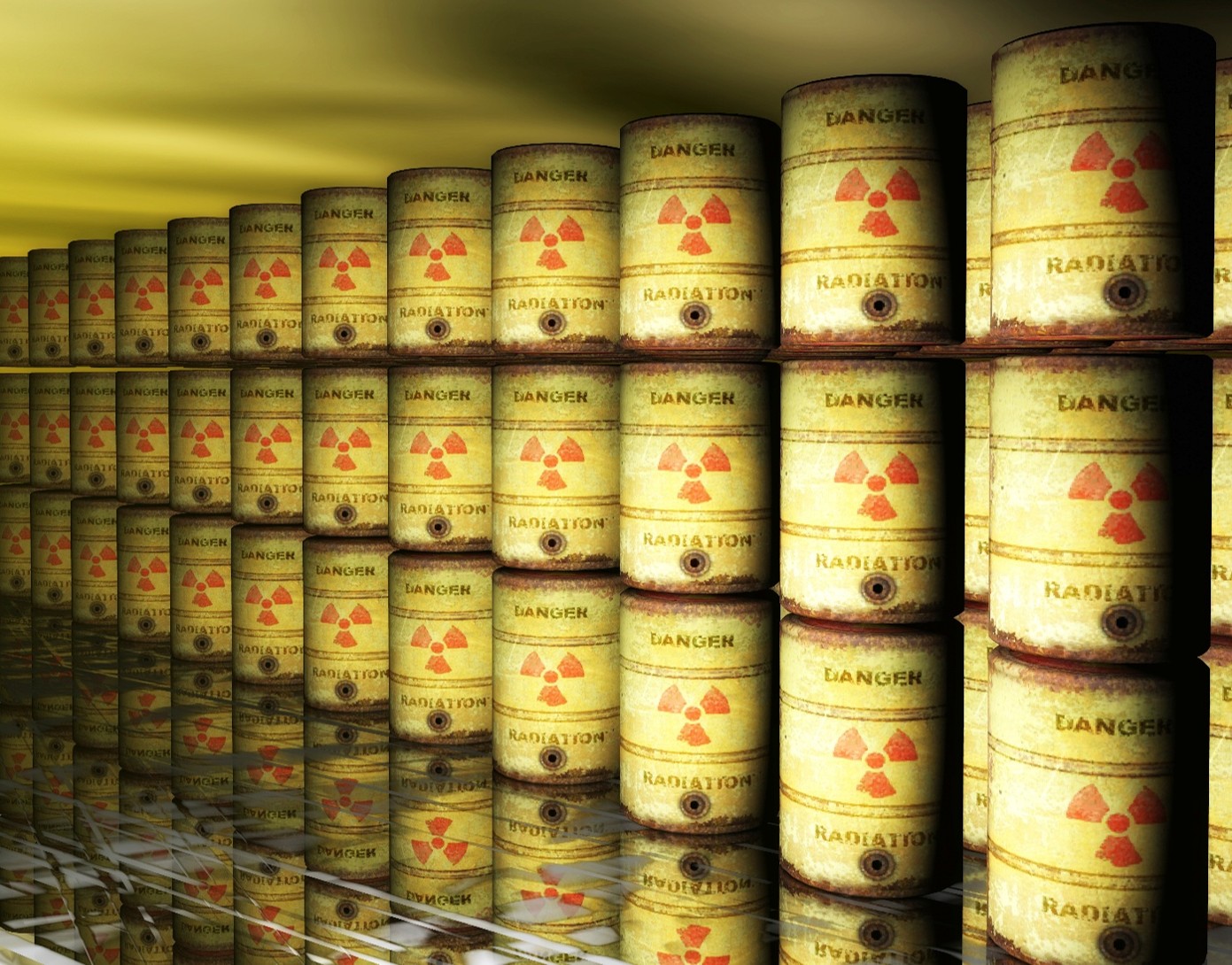
Understanding these potential hazards helps collectors, buyers, and sellers make informed decisions while continuing to appreciate vintage and antique items.
From Collecting to Safety Awareness
An interest in antiques began approximately 30 years ago after observing a family member operate an antique booth in Encino, California. The carefully arranged displays inspired an interest in finding undervalued items at yard sales, garage sales, and estate sales for resale. An early purchase of a picture for a few dollars, followed by its resale for approximately $50, demonstrated the potential of the resale market.
Approximately a decade ago, this interest developed into a small online business selling vintage and antique items through eBay. Research and educational videos provided insight into identifying collectibles, recognizing manufacturers' marks, determining prices, and evaluating resale potential. Items included depression glass, cloisonné vases, ceramics, pottery, and decorative objects.
Although the business did not become highly profitable, it provided an enjoyable opportunity to discover unusual treasures and earn additional income.
The potential presence of hazardous materials was not initially a major consideration. However, learning about the Radium Girls, who suffered severe health consequences from exposure to radium-containing luminous paint used on watch dials, prompted further investigation into radioactive materials and lead in vintage household products.
This experience highlighted an important lesson: an item's age, appearance, and collectible value do not necessarily reveal its material composition or potential health hazards.
Vintage Items That May Contain Uranium
Uranium compounds were historically used in glassmaking and ceramic glazes to create distinctive colors. Their presence varies by manufacturer, production period, and formulation.
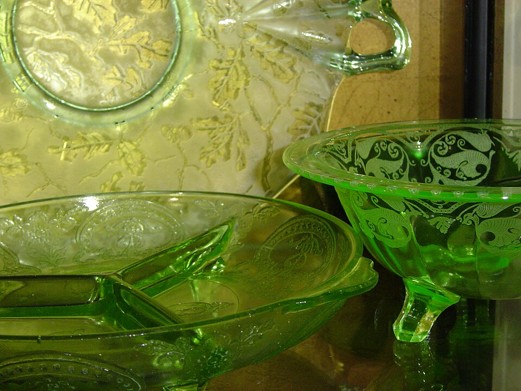
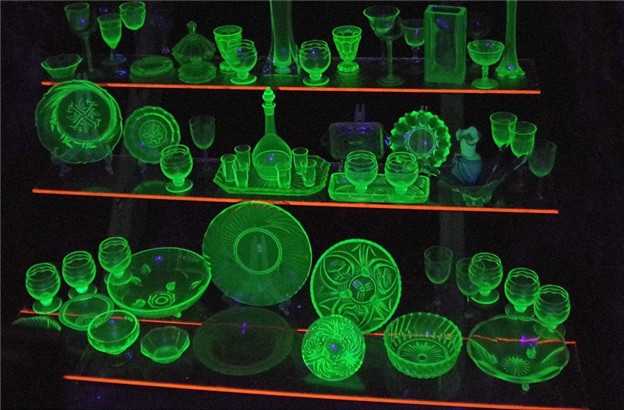
- Vaseline and canary glass: Typically, yellow or yellow-green, some examples contain uranium and fluoresce bright green under ultraviolet (UV) light. A 365-nanometer UV flashlight is commonly used to examine suspected uranium glass, although fluorescence alone does not confirm its composition.
- Vintage ceramics and Fiestaware: The U.S. Environmental Protection Agency (EPA) reports that some Fiestaware manufactured before 1973 incorporated depleted uranium into specific glaze formulations.
- Depression glass: Commonly produced during the 1920s and 1930s, this glassware comes in colors such as green, pink, amber, and yellow. Some formulations contain uranium, but not all depression glass is radioactive.
- Custard glass: This opaque, creamy yellow or ivory glass sometimes contains uranium compounds that contribute to its coloration.
- Jadeite and green opalescent glass: These collectibles vary in composition by manufacturer and production period. Uranium should not be assumed to be present in every piece.
Vintage Items That May Contain Lead
Lead was historically used in pigments, ceramic glazes, glass manufacturing, and other household products. Certain older items may therefore contain lead, particularly when their composition and manufacturing history are unknown.
Ceramic Dinnerware and Pottery
Vintage mugs, bowls, casserole dishes, serving platters, and decorative pottery may contain lead in their glazes or decorative finishes. Under certain conditions, lead can migrate into food and beverages.
The FDA established limits for lead leaching from certain categories of ceramicware in the 1970s. Vintage ceramics should not automatically be considered safe for food use simply because they appear intact.
Lead Crystal Glassware
Traditional lead crystal contains lead oxide, which enhances the glass's brilliance and sparkle. It is commonly found in wine glasses, cocktail glasses, and decanters.
Lead may migrate from crystal into food or beverages, particularly during prolonged storage. The risk depends on factors such as contact time and liquid composition. The FDA has issued warnings regarding lead crystal intended for infants and children and the storage of food or beverages in lead crystal containers.
Painted Furniture and Decorative Objects
In the United States, furniture, toys, doors, window frames, and architectural salvage manufactured before 1978 may contain lead-based paint. As painted surfaces deteriorate, they can release chips and dust that create exposure risks, particularly for young children. Sanding, scraping, or refinishing older painted objects can also release hazardous particles without appropriate precautions.
Understanding Radioactivity in Antiques
The EPA explains that certain historical manufacturing practices incorporated radioactive materials into consumer products because of their distinctive colors or luminous properties. Potential examples include:
- Clocks and watches: Some older luminous dials contain radium or tritium.
- Ceramics and pottery: Certain historical glazes incorporated uranium, thorium, or other radionuclides.
- Vaseline glass: Some examples contain uranium, producing yellow-green coloration and fluorescence under UV light.
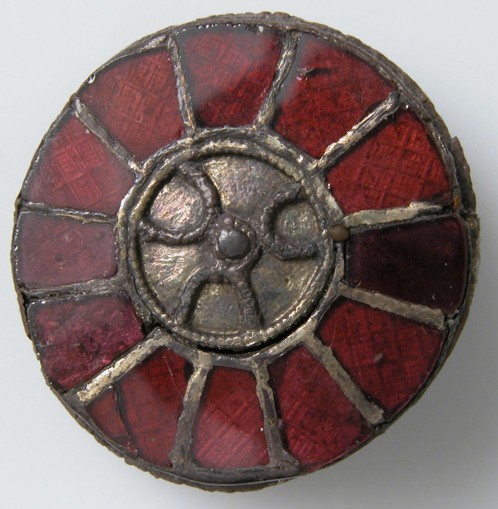
- Cloisonné jewelry: Certain historical enamel formulations used uranium compounds to produce yellow, orange, and related shades.
Depleted uranium is produced during uranium enrichment and remains radioactive, although it is less radioactive than natural uranium on a mass basis. It can also present chemical toxicity concerns.
The presence of radioactive material does not automatically mean an item presents a significant health risk. According to the EPA, radioactive antiques in good condition generally do not pose a significant health risk when exposure remains low. Damaged or deteriorating objects may present different concerns if radioactive particles can be released.
Potential Health Effects
Uranium
Uranium occurs naturally in rocks, soil, and water. According to the EPA, it presents both chemical and radiological hazards. Chemical toxicity primarily affects the kidneys, while radiological risks depend on the amount and type of exposure.
Potential exposure pathways include inhalation of contaminated dust, ingestion of material, and external radiation exposure. The presence of uranium in a collectible does not, by itself, establish that the item will cause illness.
Lead
Lead can affect multiple body systems, and no safe level of lead exposure has been identified for children. Adults may also experience adverse effects, particularly after sustained or substantial exposure.
Potential health effects include:
- Increased blood pressure and cardiovascular effects.
- Joint and muscle pain.
- Memory and concentration difficulties.
- Headaches and abdominal discomfort.
- Neurological and mood changes.
- Reduced reproductive function.
- Adverse pregnancy outcomes, including miscarriage, stillbirth, and premature birth.
Health effects depend on exposure level, duration, age, and individual circumstances. Lead-containing objects do not necessarily cause harmful exposure, but contaminated dust, ingestion of particles, and lead migration into food or beverages can create preventable risks.
Practical Safety Tips for Collectors and Resellers
1. Research before purchasing. Investigate the manufacturer, production period, markings, and known material composition. A UV flashlight may help screen suspected uranium glass, but fluorescence is not definitive proof. A Geiger counter can detect radiation under appropriate conditions, but its readings must be interpreted in context.
2. Avoid food and beverage use when safety is uncertain. Vintage ceramics with unknown glaze compositions, suspected uranium glass, and lead crystal warrant caution when used for food or drink. Decorative use may reduce certain exposure pathways but does not eliminate every potential risk.
3. Inspect items for damage. Chips, cracks, flaking paint, and deteriorating finishes may increase the likelihood of particles or dust being released. Avoid using damaged items for food preparation or consumption.
4. Practice safe handling and cleaning. Wash hands after handling objects that may contain lead or hazardous residues, especially before eating. Avoid dry sanding, grinding, or aggressively scraping suspected lead-containing materials. Restoration may require professional assistance.
5. Protect children. Keep potentially hazardous antiques, paint chips, and deteriorating materials out of children's reach. Children are particularly vulnerable to lead exposure because of their developing bodies and hand-to-mouth behaviors.
6. Obtain disposal guidance. Do not automatically place broken objects suspected of containing radioactive materials in household trash. Contact the appropriate state or local radiation control program for guidance.
Balancing Collecting and Safety
Vintage and antique objects often carry emotional significance beyond their monetary value. A particular plate may recall family meals, a glass may resemble one used by a grandparent, and a decorative object may preserve memories of a childhood home. These connections help explain why collectors continue to seek and preserve older household items.
However, sentimental value should be balanced with awareness of potential hazards. Collectors and resellers should consider an item's composition, condition, intended use, and potential exposure pathways alongside its authenticity and market value.
Conclusion
Vintage and antique collectibles provide opportunities to preserve history, appreciate craftsmanship, and maintain connections to previous generations. However, some older products may contain lead or radioactive materials that require careful consideration.
Responsible collecting begins with education, research, appropriate handling, and an understanding of when professional guidance may be necessary. Preserving the beauty and history of vintage objects does not require overlooking potential hazards. By combining appreciation for collectibles with practical safety awareness, buyers and sellers can make informed decisions that protect both the objects and the people who enjoy them.
Disclaimer: This article is for general educational purposes and is not a substitute for professional medical or radiation-safety advice. Verify technical and regulatory claims against current authoritative sources before publication.