The Biodiversity of Gulf Islands National Seashore
By Michael Jameson, President (Tulsa, OK)
Michael Jameson holds degrees from Oklahoma State University (Stillwater), the University of Oklahoma (Norman) and the University of Michigan (ABD – Ann Arbor). In serving his entire tenure as a Regulatory Specialist with Vanguard, he founded the company in 1992 and is ranked at the "expert" level in chess.
Gulf Islands National Seashore (GUIS) is a sprawling coastal preserve that stretches across Florida and Mississippi, safeguarding a tapestry of vibrant ecosystems-from barrier islands and dunes to marshes, forests, and seagrass beds. Established in 1971 and visited by over 8 million people in 2023, it's the fifth-most-visited unit in the National Park Service. GUIS has a remarkable biodiversity that flourishes within its submerged shores and sun bleached dunes.
Coastal & Marine Ecosystems.
Barrier Islands & Beaches. The island chains-ranging from Cat, Ship, Horn, and Petit Bois in Mississippi to Santa Rosa Island and Perdido Key in Florida-are formed from white quartz sand, constantly shaped by wind and waves. These barrier beaches are the frontline of storm defense and the cradle of life for many coastal species.
Dune Communities. Fore and secondary dunes support specialized vegetation. Sea oats, beach elder, bitter panicum, and maritime bluestem stabilize the foredunes, while secondary dunes host woody shrubs like yaupon holly, wax myrtle, and red cedar. These plants not only shape the dune architecture but also create habitats for key wildlife, such as the endangered Perdido Key beach mouse and piping plover.
Seagrass Beds & Tidal Flats. Under the waves, seagrass meadows harbor juvenile fish, crustaceans, and invertebrates. Though vulnerable to storms and dredging, they remain vital nursery grounds in the Mississippi Sound.
Upland & Inland Habitats – Maritime Forests & Pine Savannahs. Inland areas like Naval Live Oaks and Davis Bayou contain live oaks, longleaf and slash pines, saw palmetto, yaupon, fetterbush, and inkberry. These woody ecosystems host diverse reptile and amphibian life, including gopher tortoises and treefrogs.
- Freshwater Marshes, Swamps & Bayous. Davis Bayou's freshwater wetlands are fed by creeks and bayous, fostering hardwoods (hickory, red oak, sweetgum), wet pine savannahs, and moist flatwoods. These serve as crucial water filtration systems and wildlife habitats.
- Fauna of the Seashore. Birds (300 Species & Counting). GUIS lies along a major migratory corridor. With more than 300 recorded species, it's part of the Great Florida Birding Trail. Visitors can spot bald eagles, snowy plovers, terns, gulls, clapper rails, spotted sandpipers, pine warblers, pelicans, and raptors, making it a prime seasonal waypoint.
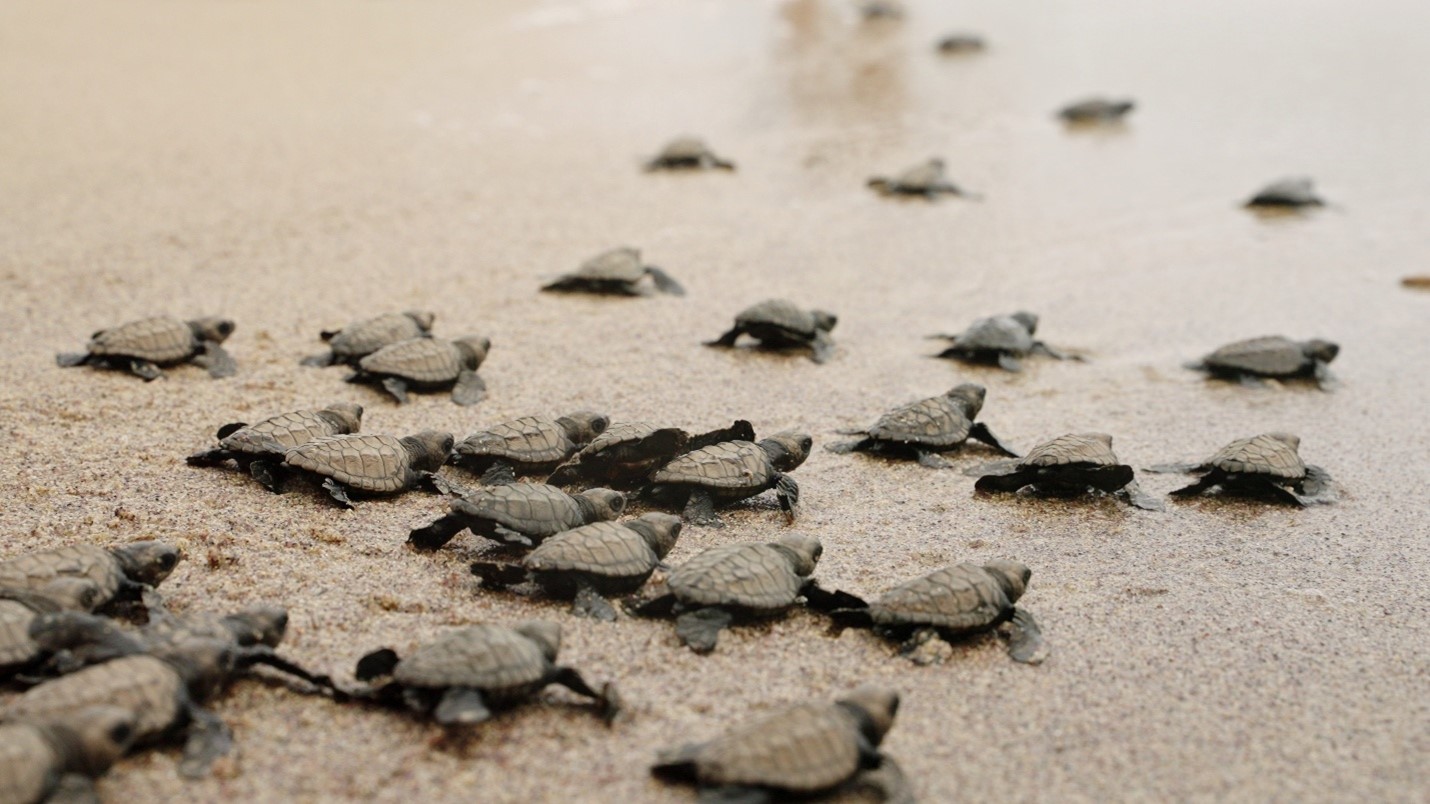
- Sea Turtles (5 Nesting Species). Remarkably, five of the six sea turtle species found in U.S. waters nest within GUIS: loggerhead, green, Kemp's ridley, leatherback, and hawksbill. Conservation efforts include habitat protection and nest monitoring to combat threats from humans and predators.
- Mammals. From riverside to shoreline, GUIS teems with life. Bottlenose dolphins swim offshore. On land, black bears, foxes, armadillos, raccoons, river otters, cotton rats, and the federally endangered Perdido Key beach mouse make their home here.
- Reptiles & Amphibians. Gopher tortoises emerge in savannah habitats. Amphibians like cricket frogs thrive in freshwater pockets, and snakes-including rare species-slither through forest floors and marshlands.
- Invertebrates & Fish. Crustaceans, mollusks, ghost crabs, sand dollars, and coastal insects populate beaches, marshes, and underwater zones. Anadromous and coastal fish species abound in estuaries and grass beds.
Flora of the Seashore.
- Dune Stabilizers & Wildflowers. Sea oats and bitter panicum form the dunes, while beach elder and morning glory flourish nearby. Secondary dunes support woody shrubs and wildflowers like false rosemary and passionflower.
- Forest Giants & Understory. Live oaks, longleaf pines, loblolly pines, hickory, red oaks, and sweetgums set the backdrop. Under their canopy are saw palmetto, fetterbush, inkberry, and pitcher plants-particularly in wetter areas.
- Marsh & Aquatic Plants. Salt marsh cordgrass and freshwater wetland flora support fish habitats, while sargassum along the shoreline provides food and shelter for marine creatures.
Conservation & Threats….Preservation & Restoration.
- Seagrass Monitoring: Vital for fish nurseries but vulnerable to storms and dredging.
- Dune Care. Foredune vegetation is fragile and easily damaged by foot traffic. Restoration includes signage and pathways.
- Wildlife Protection. Designated breeding and nesting zones shield species like piping plovers, turtles, and the beach mouse.
Human & Environmental Pressures.
Development adjacent to mainland units alters hydrology, while beach nourishment with dredged sand can disrupt recolonization and marine life. Hurricanes, like Camille and Opal, erode beaches, split islands, and destroy seagrass beds-leaving long-term ecological scars.
Endangered Species
GUIS hosts 12 federally listed threatened or endangered organisms, including turtles, the beach mouse, and piping plover. Collaborative efforts with agencies, volunteers, and scientists focus on habitat preservation and population monitoring.
Community Engagement & Research
Monitoring Efforts. Through the Gulf Coast Network, GUIS tracks vital signs: seagrass beds, amphibians, landbirds, coastal geomorphology, vegetation, and water quality.
Partnerships. These include local governments and conservation agencies working on sea turtle tracking and nesting surveys. Volunteers also bolster invasive plant removal and sand stabilization projects.
Educational Outreach. Visitor centers, nature trails, informational signage, and public sea-turtle nest watches foster awareness and support for conservation efforts.
Why Biodiversity Matters
Ecological Resilience. The interconnected ecosystems-dunes, marshes, forests, seagrasses-act as buffers against storms and erosion while anchoring regional ecological function.
Wildlife Sanctuary. GUIS is a critical breeding and migratory stop. It provides habitat for endangered species and diverse wildlife, from turtles to migratory birds.
Natural Laboratories. Science thrives here: monitoring climate-driven shifts, storm responses, and recovery dynamics, guiding broader conservation strategies.
Human Well being. Beyond beauty, biodiversity sustains fisheries, enhances tourism, and inspires through exploration-benefiting both local economies and global appreciation.
A Visit With Purpose. While swimming and fishing are popular, GUIS also offers:
- Birdwatching along trails and boardwalks-particularly during migrations
- Guided sea-turtle nest watches and hatchling releases
- Interpretive activities at visitor centers like Naval Live Oaks and Davis Bayou
- Volunteering opportunities for dune and invasive species restoration
- Eco-tours in boats or kayaks through marshes and grass beds
Gulf Islands National Seashore is a dynamic crossroads of land, sea, and life. Its barrier islands, dunes, marshes, forests, and seagrass beds weave together a mosaic that supports turtles, dolphins, bears, birds, and countless other creatures. While threats from human activity and climate loom, ongoing research, restoration, and careful stewardship offer hope. For visitors, GUIS is more than a scenic escape-it's a living demonstration of how conservation, science, and community unite to safeguard a rich tapestry of biodiversity for future generations.
Here are some outstanding links to further explore Gulf Islands National Seashore: