Grand Canyon National Park and the Biodiversity of Northern Arizona’s Mountain Landscapes
By Michael Jameson, Sr. Regulatory Specialist (Tulsa, OK)
Michael Jameson holds degrees from Oklahoma State University (Stillwater), the University of Oklahoma (Norman) and the University of Michigan (ABD – Ann Arbor). In serving his entire tenure as a Regulatory Specialist with Vanguard, he founded the company in 1992 and is ranked at the “expert” level in chess.
Few places on Earth command awe the way Grand Canyon National Park does. Stretching 277 miles across northern Arizona, carved over millions of years by the restless Colorado River, the Grand Canyon is often celebrated for its scale — a mile deep, up to 18 miles wide, and layered with nearly two billion years of geologic history. But beyond its monumental vistas lies something equally extraordinary: a mosaic of ecosystems that support one of the most diverse biological communities in the American Southwest.
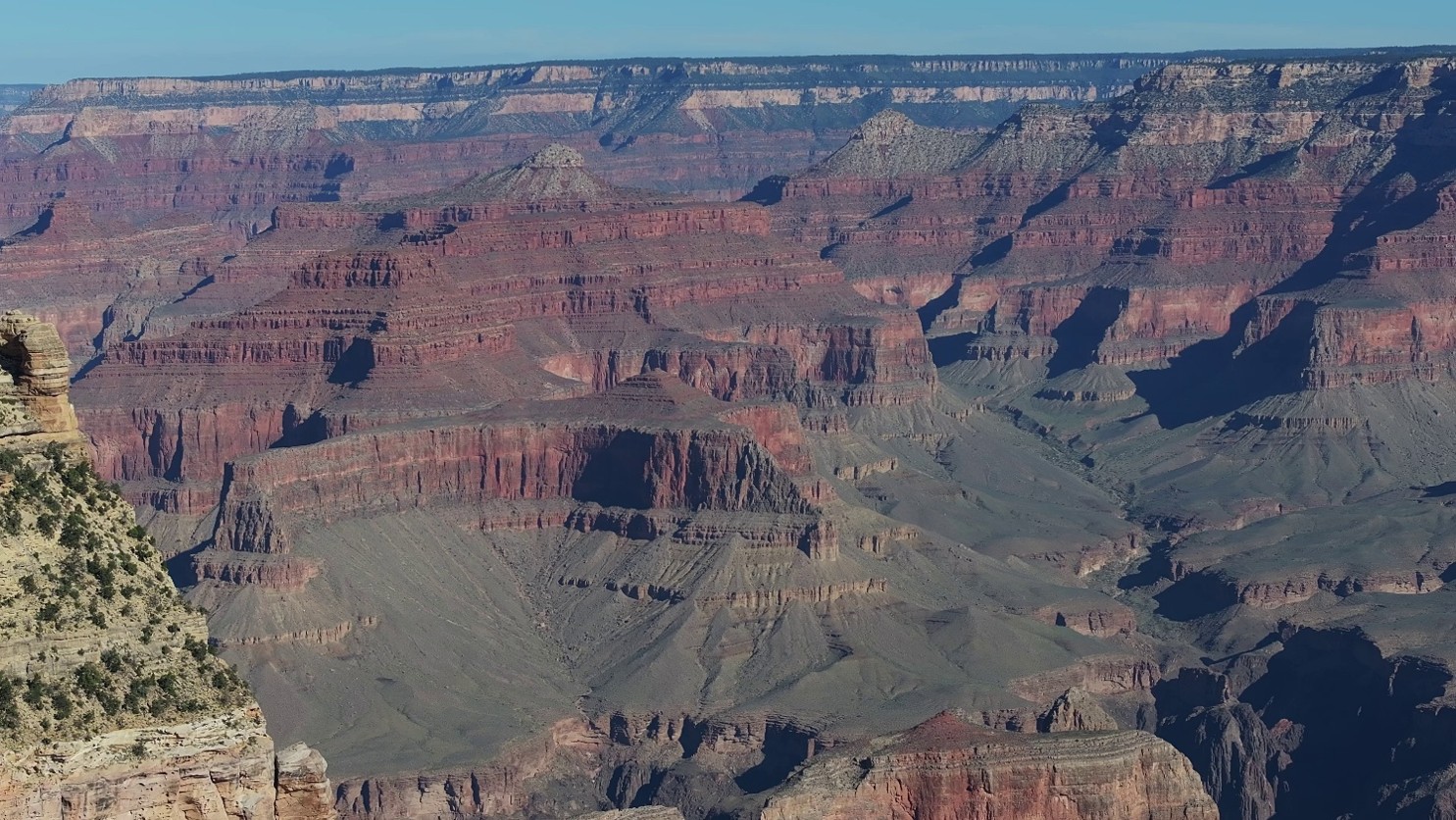
The Grand Canyon is not just a canyon. It is a crossroads of mountains, plateaus, deserts, and river corridors. It is a sanctuary for species found nowhere else. And it is a living laboratory that reveals how life adapts to extremes of elevation, temperature, and terrain. To understand the park’s biodiversity is to understand the ecological heartbeat of northern Arizona’s high country.
Vertical Wilderness: How Elevation Shapes Life
One of the most remarkable features of Grand Canyon National Park is the sheer verticality of its landscapes. From the Colorado River at roughly 2,200 feet above sea level to the North Rim’s alpine forests at over 8,000 feet, the park spans more than a mile of elevation. This vertical gradient creates a series of ecological “life zones” stacked like steps on a ladder.
Naturalists often compare traveling from the canyon bottom to the North Rim to journeying from Mexico to Canada. In just a few hours of hiking, one can pass through desert scrub, riparian oases, pinyon juniper woodlands, ponderosa pine forests, and high elevation spruce fir communities. Each zone hosts its own suite of plants and animals, many of which are adapted to narrow environmental niches.
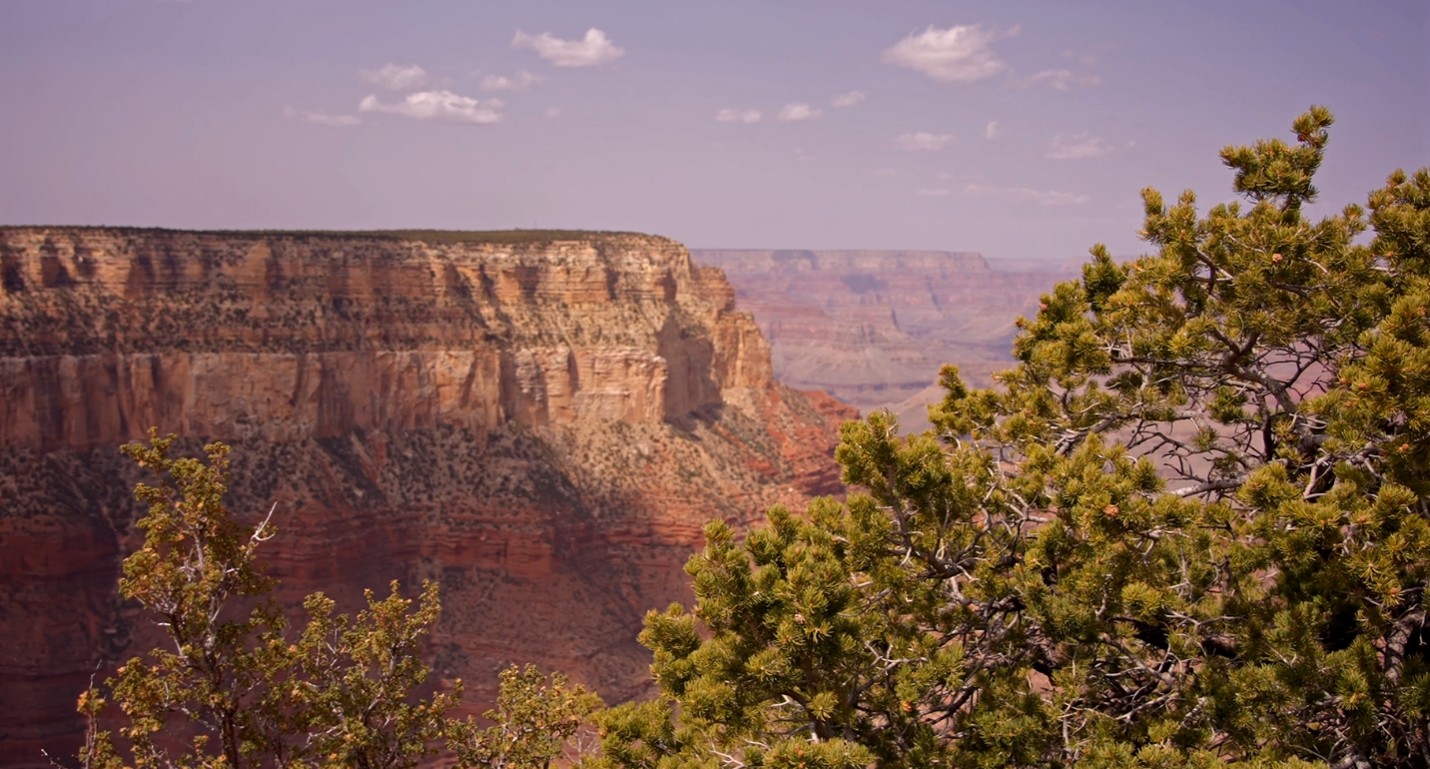
At the lowest elevations, temperatures can exceed 120°F in summer. Life here is defined by scarcity — of water, shade, and soil nutrients. Yet the desert is far from barren.
- Creosote bush, one of the most drought tolerant plants in North America, dominates the arid slopes.
- Cacti, including prickly pear and hedgehog species, store precious moisture in their fleshy stems.
- Desert bighorn sheep navigate the steep cliffs with astonishing agility, grazing on sparse vegetation.
- Reptiles, such as the Grand Canyon rattlesnake — a pink hued species found only in this region — thrive in the heat.
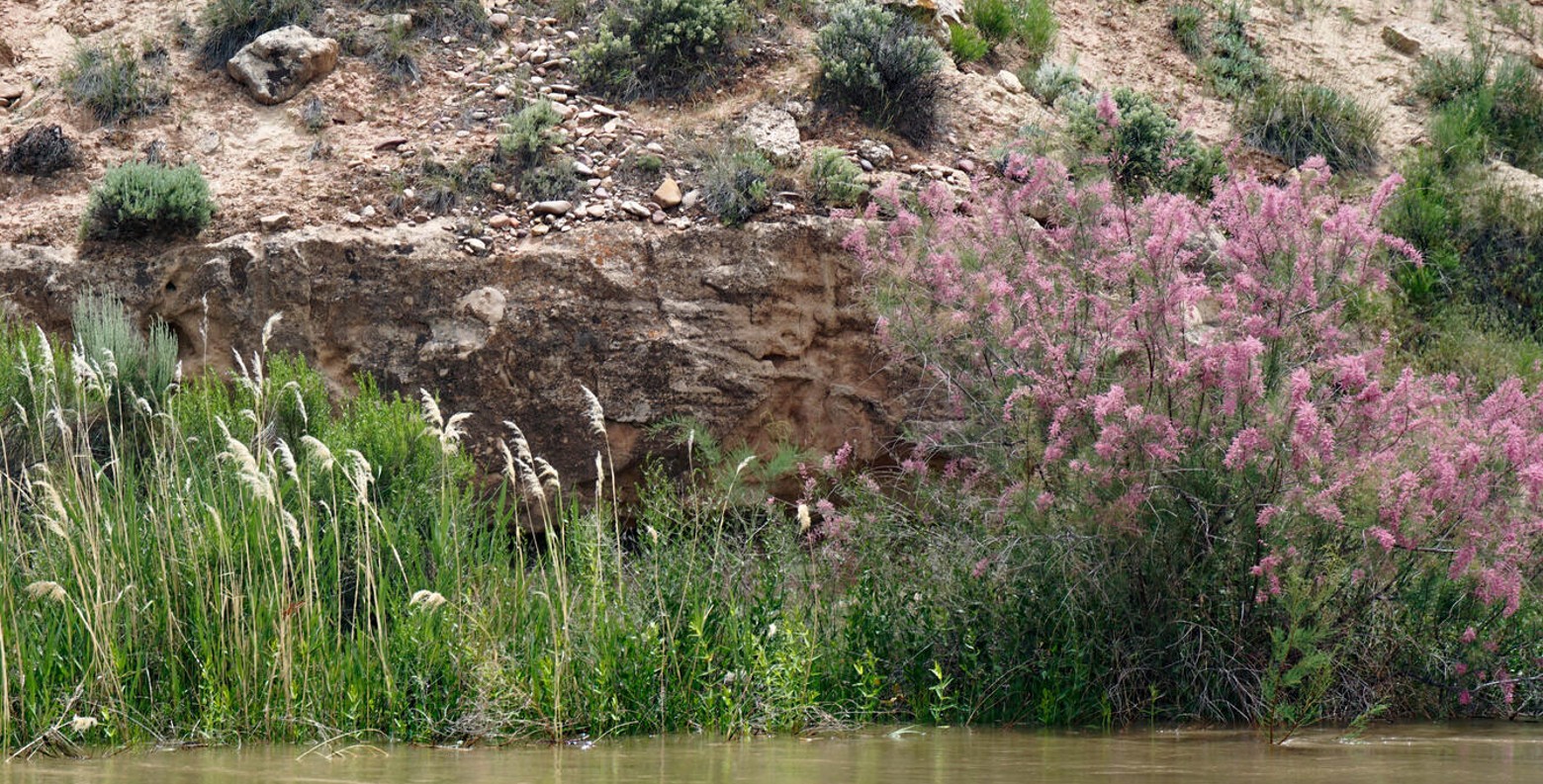
Along the river, pockets of riparian vegetation form green ribbons of life. Cottonwoods, willows, and tamarisk provide shade and habitat for birds, insects, and amphibians. These riverbanks are biodiversity hotspots, supporting species that could not survive in the surrounding desert.
The Middle Elevations: Woodlands and Wildlife Corridors
Climbing upward, the desert gives way to pinyon juniper woodlands, a signature ecosystem of the Colorado Plateau. These hardy trees — pinyon pine with its nutritious nuts, and juniper with its aromatic berries — support a wide array of wildlife.
- Pinyon jays, intelligent and social birds, cache pine seeds and inadvertently help regenerate forests.
- Mule deer browse on shrubs and grasses.
- Coyotes, bobcats, and gray foxes hunt small mammals in the understory.
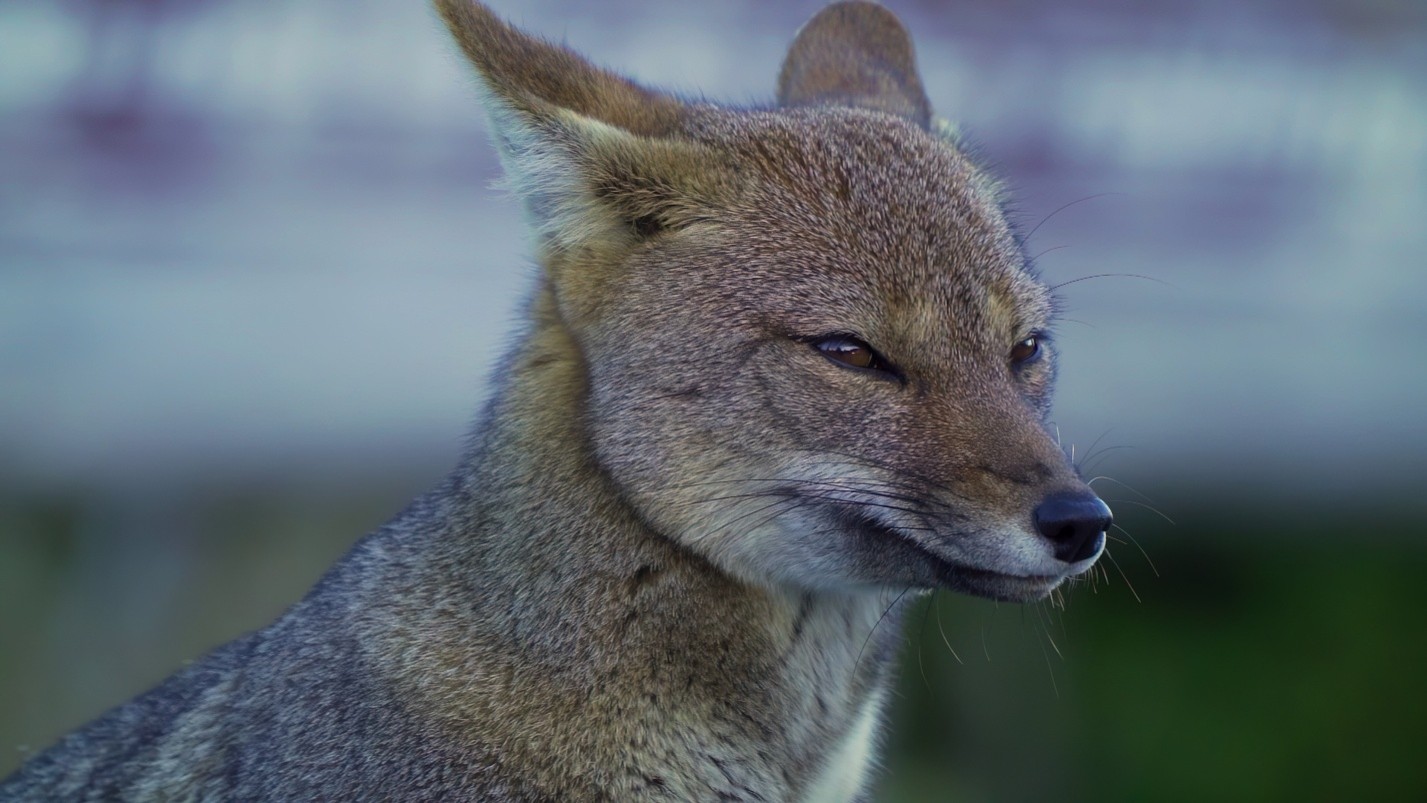
These mid elevation zones serve as ecological corridors, linking the canyon’s lower and upper habitats. Many species migrate seasonally along these gradients, following food availability and temperature changes.
The High Country: Forests of the North Rim
The North Rim, cooler and wetter than the South Rim, hosts forests more reminiscent of the Rocky Mountains than the Sonoran Desert. Here, ponderosa pines, Douglas fir, aspen, and Engelmann spruce dominate the landscape. This high elevation environment supports species that cannot survive in the canyon’s lower reaches:
- Kaibab squirrels, with their tufted ears and snowy white tails, live exclusively on the Kaibab Plateau.
- Northern goshawks patrol the forest canopy.
- Elk graze in meadows, while mountain lions roam the rugged backcountry.
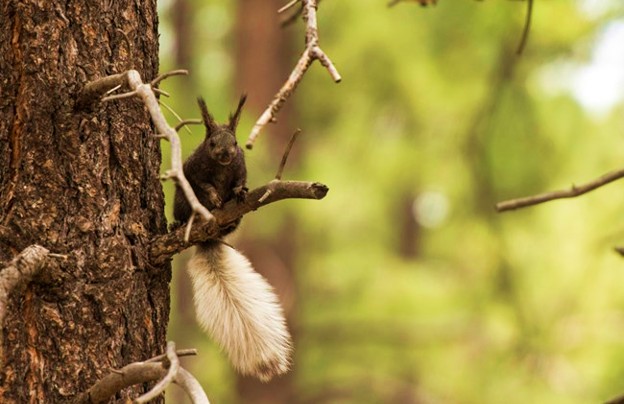
Snow blankets the North Rim for much of the year, closing roads and limiting human access. As a result, these forests remain some of the most pristine in the Southwest.
A Geological Story That Shapes Biodiversity
The Grand Canyon’s biological richness is inseparable from its geological complexity. The canyon walls expose nearly two billion years of Earth’s history, from ancient metamorphic rocks at the bottom to younger limestone and sandstone layers near the top. Each layer weathers differently, creating cliffs, slopes, ledges, and caves that serve as microhabitats.
Microclimates and Refugia
Because of the canyon’s depth and varied topography, sunlight, temperature, and moisture can vary dramatically over short distances. A shaded alcove may harbor ferns and mosses, while a sun baked slope just yards away supports only drought tolerant shrubs. These microclimates act as refugia — pockets where species can survive during periods of climatic change. Some plants in the canyon are relics of ancient ecosystems that once covered the region but now persist only in sheltered niches.
Endemism: Species Found Nowhere Else
The Grand Canyon is home to numerous endemic species, meaning they occur only in this specific region. Examples include:
- Grand Canyon pink rattlesnake
- Kaibab squirrel
- Grand Canyon agave
- Several endemic insects, snails, and wildflowers
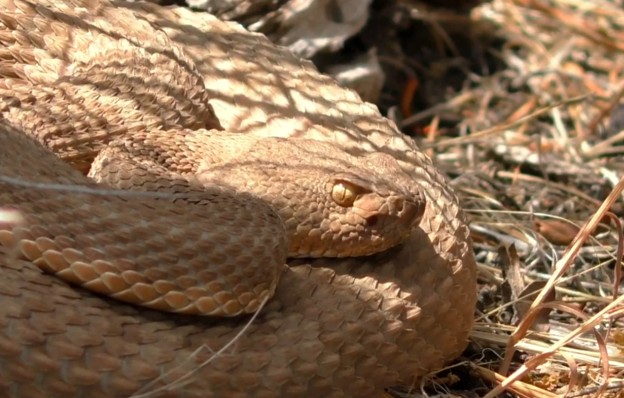
These species evolved in isolation, shaped by the canyon’s rugged terrain and climatic extremes.
The Colorado River: A Lifeline Through Stone
The Colorado River is the architect of the canyon and the artery of its ecosystems. Though heavily managed and altered by dams upstream, the river still supports a surprising diversity of life.
Native Fish of the Canyon
The Grand Canyon once hosted eight native fish species, many uniquely adapted to the river’s warm, sediment rich waters. Today, several remain, though many are threatened:
- Humpback chub, with its distinctive dorsal hump, evolved to navigate turbulent rapids.
- Razorback sucker, a long lived species with a pronounced dorsal keel.
- Speckled dace, a small but resilient fish found in tributaries.
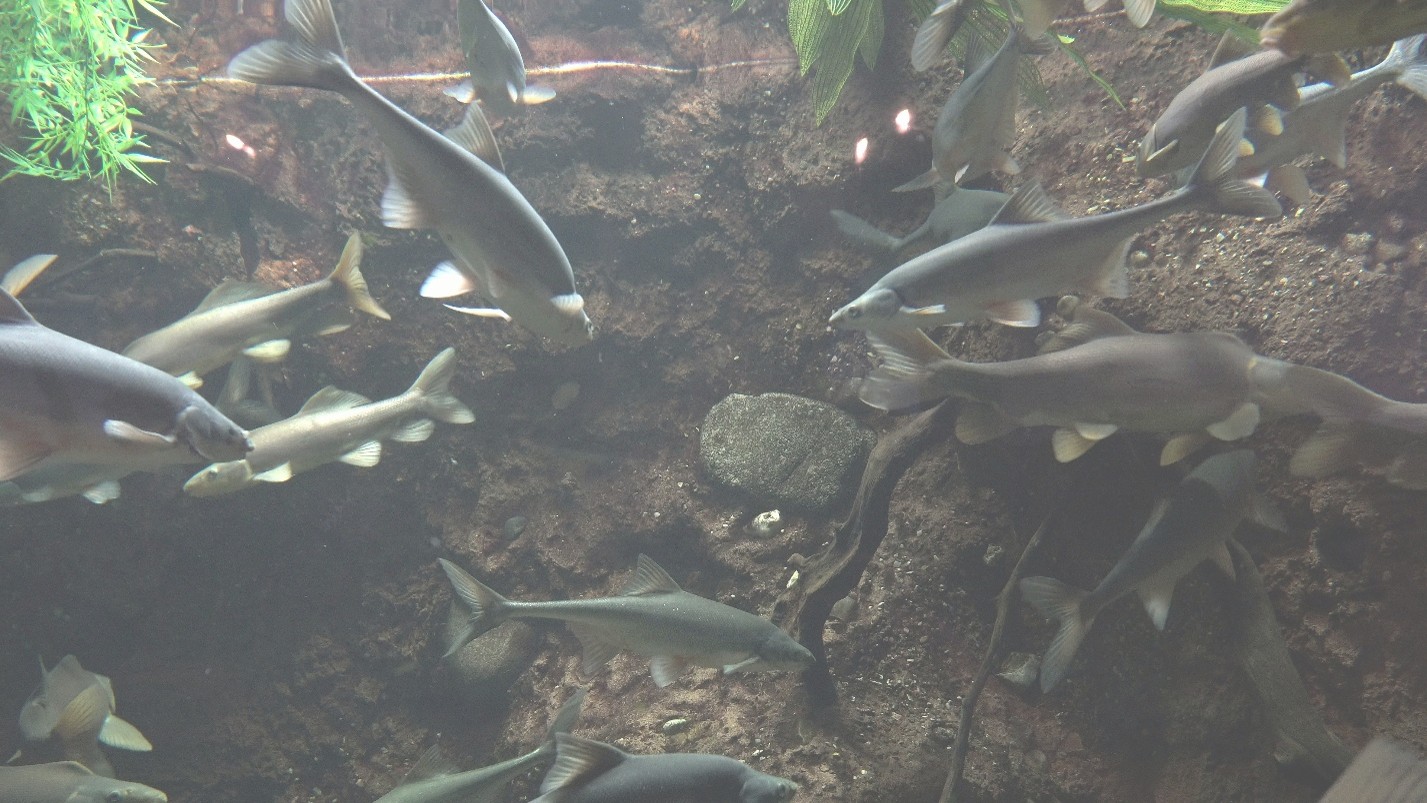
Cold water released from Glen Canyon Dam has altered the river’s ecology, favoring non native trout over native species. Conservation efforts, including controlled floods and habitat restoration, aim to support native fish recovery.
Riparian Ecosystems
Where the river flows, life flourishes. Riparian zones support:
- Beavers, whose dams create wetlands.
- Great blue herons, osprey, and peregrine falcons.
- Amphibians such as canyon tree frogs.
These lush corridors contrast sharply with the surrounding desert, offering critical habitat for migratory birds and mammals.
The Sky Islands of Northern Arizona
To understand the Grand Canyon’s biodiversity, one must also look beyond its walls to the surrounding mountains and plateaus of northern Arizona. This region is part of the Colorado Plateau, but it also contains “sky islands” — isolated high elevation ecosystems rising from lower desert basins.
The Kaibab Plateau
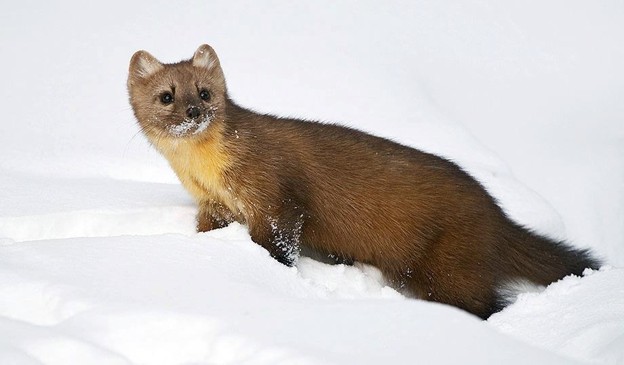
North of the canyon, the Kaibab Plateau is a biological treasure. Its forests support:
- Kaibab squirrels
- American marten
- Northern goshawk
- Black bear
Because the plateau is isolated by surrounding deserts, many species have evolved unique traits or behaviors.
The San Francisco Peaks
South of the canyon, the San Francisco Peaks — including Humphreys Peak, Arizona’s highest point — host alpine tundra, bristlecone pines, and rare plants such as the San Francisco Peaks groundsel, found nowhere else on Earth. These mountains influence weather patterns, water availability, and species migration across northern Arizona, indirectly shaping the Grand Canyon’s ecosystems.
Cultural Landscapes and Biodiversity
The Grand Canyon is not only a natural wonder but also a cultural homeland. Indigenous peoples have lived in and around the canyon for thousands of years, shaping and being shaped by its ecosystems.
Traditional Ecological Knowledge
Tribes such as the Havasupai, Hopi, Navajo, Zuni, and Hualapai maintain deep relationships with the land. Their knowledge of plant uses, wildlife behavior, and seasonal cycles contributes to modern conservation efforts.
Threats to Biodiversity
Traditional practices — such as controlled burning, sustainable harvesting, and spiritual stewardship — have long supported biodiversity in the region.
Climate Change
Rising temperatures and shifting precipitation patterns threaten species adapted to narrow climatic ranges. High elevation forests are particularly vulnerable to drought, wildfire, and insect outbreaks.
Invasive Species
Non native plants like tamarisk and cheatgrass outcompete native vegetation, altering fire regimes and reducing habitat quality. In the river, non native trout prey on native fish.
Human Impacts
Tourism, while vital to the region’s economy, brings pressures:
- Trail erosion
- Wildlife disturbance
- Pollution
- Increased demand for water
Balancing access with conservation remains an ongoing challenge.
Human Impacts
Tourism, while vital to the region’s economy, brings pressures:
- Trail erosion
- Wildlife disturbance
- Pollution
- Increased demand for water
Balancing access with conservation remains an ongoing challenge.
Forest and Fire Management
Restoration efforts aim to reduce fuel loads, reintroduce natural fire cycles, and protect old growth ponderosa pine forests.
Invasive Plant Control
Volunteers and park staff work to remove invasive species and restore native vegetation along trails and riverbanks.
Climate Adaptation Strategies
Scientists monitor species movements, water availability, and forest health to anticipate ecological changes and guide management decisions.
Why the Grand Canyon’s Biodiversity Matters
The Grand Canyon’s ecosystems are more than a collection of species. They are a living expression of resilience, adaptation, and interconnectedness. They reveal how life persists in harsh environments, how landscapes shape evolution, and how cultural and natural histories intertwine. Biodiversity here supports:
- Ecological stability, by maintaining food webs and nutrient cycles
- Scientific discovery, offering insights into geology, climate, and evolution
- Cultural identity, for Indigenous communities with deep ties to the land
- Recreation and inspiration, enriching the experiences of millions of visitors
Protecting this biodiversity ensures that future generations can experience the canyon not only as a geological marvel but as a thriving, dynamic ecosystem.
A Living Canyon
Grand Canyon National Park is often described as timeless, but its ecosystems are anything but static. They shift with the seasons, respond to climate cycles, and evolve over millennia. The canyon is alive — in its forests, its deserts, its river, and its hidden alcoves where rare plants cling to ancient stone. To walk through the Grand Canyon is to walk through a vertical tapestry of life, woven from the threads of geology, climate, and biological adaptation. It is a reminder that even in the most rugged landscapes, life finds a way not only to survive but to flourish.