What Are Your Employees Breathing?
By Mark Frazier, Vice President/National Regulatory Affairs (Tulsa)
Mark Frazier holds a Bachelor of Business Administration degree from Oklahoma State University (Stillwater) and has over 20 years of experience in the Environmental, Health & Safety (EHS) Compliance field as a Certified Regulatory Compliance Specialist.
Indoor Air Quality: Foundations, Contaminants, Health Implications, and Control Strategies
Indoor Air Quality (IAQ) is a critical component of public health and occupant well-being because people spend a substantial portion of their daily lives indoors, including within homes, schools, healthcare facilities, and workplaces. Although environmental policies and research have historically emphasized outdoor air pollution, growing evidence demonstrates that indoor environments can contain elevated concentrations of pollutants and contaminants that may adversely affect human health. The quality of indoor air is influenced by numerous factors, including building design, ventilation, filtration, construction materials, maintenance practices, outdoor air condition, occupant activities, and the presence of biological contaminants.
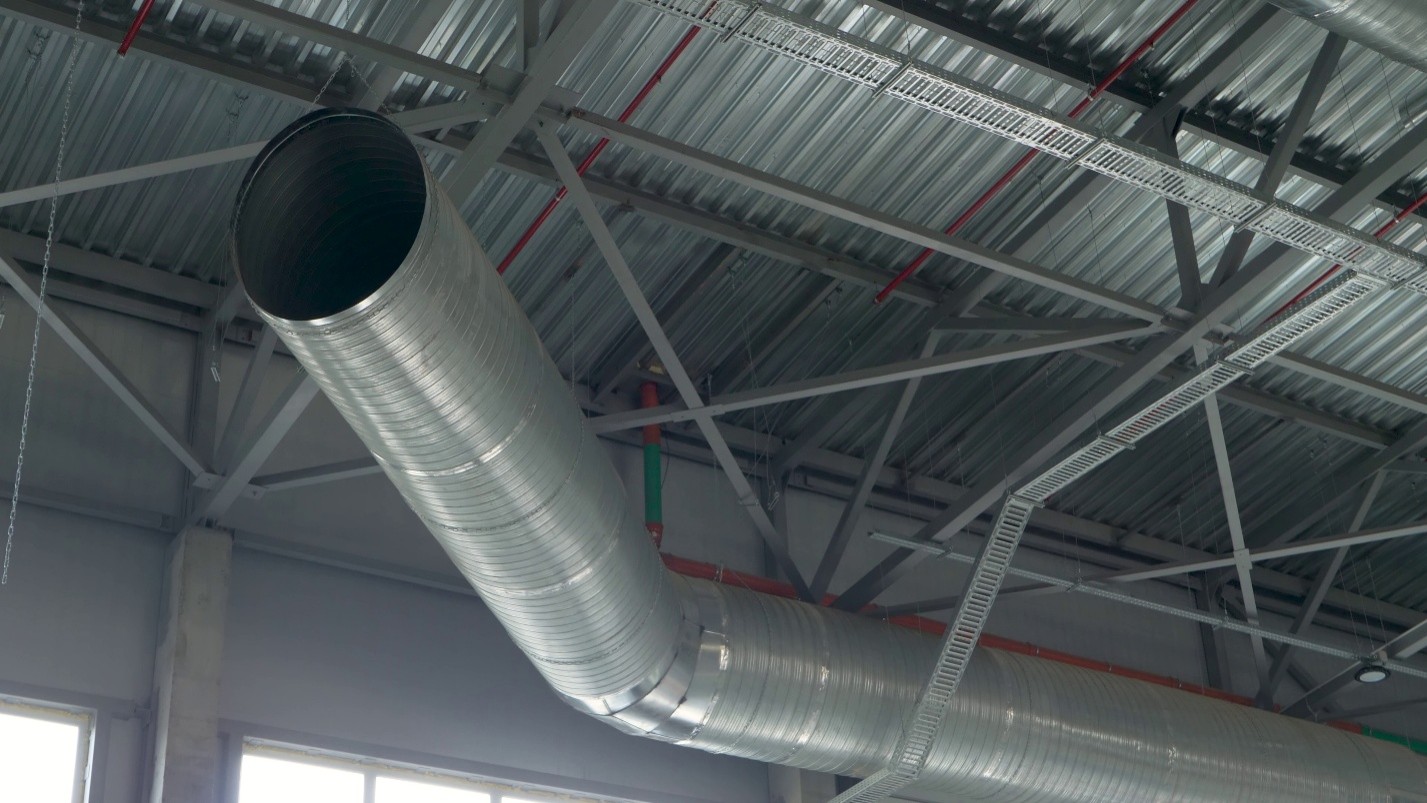
This article examines the fundamental principles of Indoor Air Quality and identifies the major categories of indoor contaminants, including chemical, physical, and biological pollutants. It further explores the potential health effects associated with exposure to contaminated indoor air, ranging from short-term symptoms such as eye and respiratory irritation, headaches, fatigue, and allergic reactions to more serious long-term health consequences associated with prolonged or repeated exposure. In addition, this article evaluates contemporary strategies for monitoring, improving, and maintaining the quality of indoor air through engineering controls, administrative practices, building maintenance, source reduction, ventilation, air filtration, and occupant awareness.
The increasing urbanization of the global population, combined with changes in modern lifestyles, has resulted in people spending a significant portion of their lives within enclosed environments. Consequently, the quality of the air inside buildings has become an increasingly important environmental and public-health concern. Indoor Air Quality refers to the characteristics of air within and surrounding buildings that influence the health, comfort, safety, and productivity of occupants. Unlike outdoor air pollution, which is often associated with visible environmental sources, such as transportation and industrial emissions, indoor air pollution may originate from numerous less-visible sources within the building itself.
Indoor air quality is determined by a complex and continually changing interaction among building characteristics, outdoor environmental conditions, ventilation systems, building materials, maintenance practices, and occupant activities. Potential indoor air contaminants may originate from sources such as cleaning products, paints and adhesives, combustion appliances, tobacco smoke, furnishings, construction materials, moisture intrusion, mold growth, dust, and biological organisms. Outdoor pollutants may also enter buildings through doors, windows, ventilation systems, and other openings.
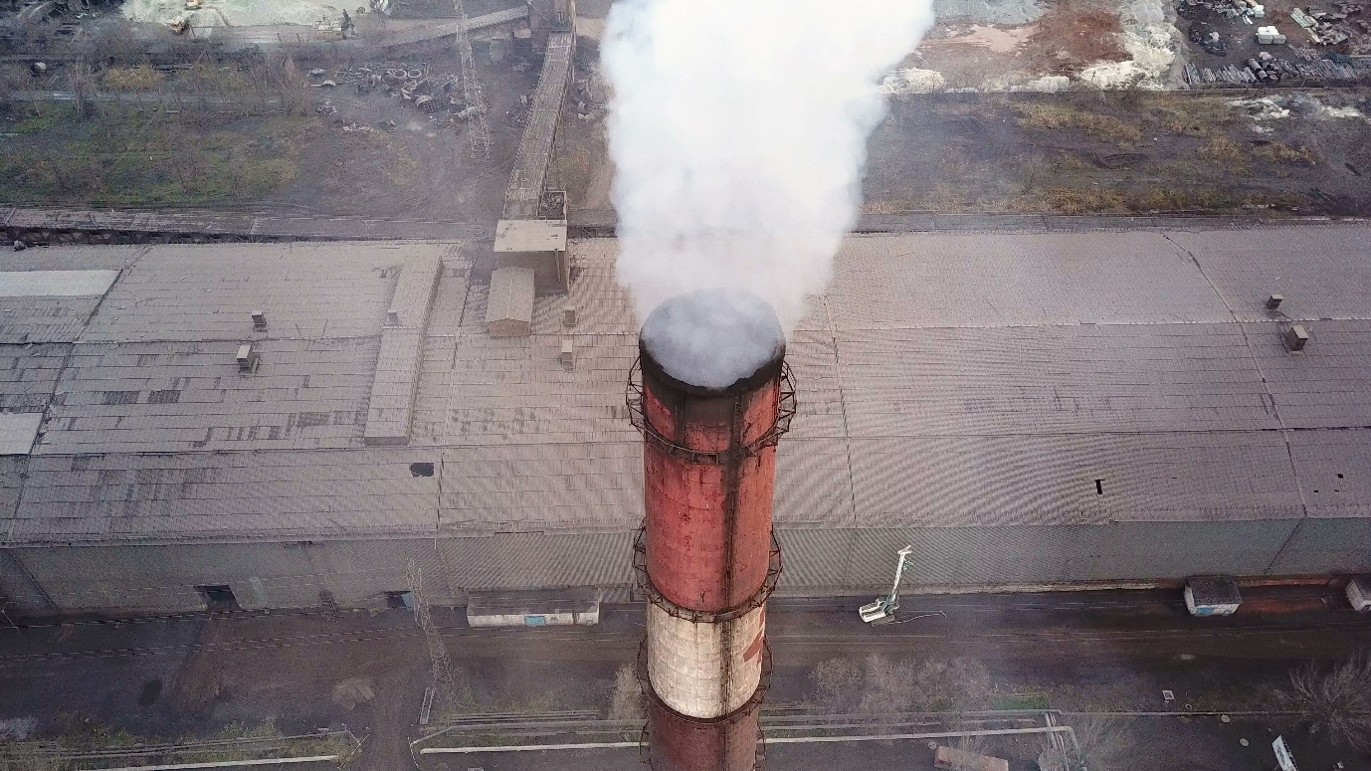
Modern construction practices have increasingly emphasized energy efficiency and reduced air leakage through tighter building envelopes. While these practices can reduce energy consumption, they can also limit natural air exchange when adequate mechanical ventilation is not provided. Insufficient ventilation may allow pollutants generated indoors to accumulate, increasing occupant exposure and potentially contributing to health complaints and reduced productivity.
Maintaining acceptable the quality of indoor air, therefore, requires more than simply introducing outdoor air into a building. An effective program of indoor air quality involves identifying pollutant sources, controlling or eliminating those sources whenever possible, providing adequate ventilation, maintaining heating, ventilation, and air-conditioning (HVAC) systems, controlling moisture, and using appropriate air-cleaning and filtration technologies. A comprehensive approach is particularly important in environments such as schools, healthcare facilities, industrial workplaces, and residential buildings, where occupants may spend many hours indoors and where vulnerable populations may be present.
Because poor indoor air quality can affect both immediate comfort and long-term health, understanding the sources, characteristics, and control of indoor pollutants is essential for environmental health professionals, building managers, engineers, employers, and occupants. Effective indoor air quality management can reduce exposure to harmful contaminants while creating healthier, safer, and more productive indoor environments.
Monitoring the quality of indoor air is essential to minimize problems associated with workforces and human populations breathing contaminated air in indoor settings. The repercussions of such problems can result in workers compensation claims, heightened insurance premiums, and even lawsuits.
OSHA’s TAKE ON INDOOR AIR QUALITY (IAQ)
The Occupational Safety and Health Administration (OSHA) does not have a single, comprehensive indoor air quality standard. Instead, it addresses IAQ through a combination of substance-specific standards, permissible exposure limits (PELs), and the General Duty Clause under Section 5(a)(1) of the Occupational Safety and Health Act of 1970, which requires employers to provide a workplace free from recognized hazards likely to cause death or serious physical harm (OSHA). This clause serves as the regulatory backstop for indoor air quality issues not covered by specific PELs, including emerging contaminants and biological hazards.
The primary OSHA standards for air contaminants are found in 29 CFR 1910.1000, which includes three tables:
- Table Z-1: Lists 8-hour time-weighted average (TWA) limits for roughly 500 substances, including ammonia (50 ppm), carbon monoxide (50 ppm), and carbon dioxide (5,000 ppm).
- Table Z-2: Provides ceiling limits and short-term exposure limits (STELs) for specific chemicals.
- Table Z-3: Covers mineral dusts and particulates not otherwise regulated (PNOR).
These PELs define the maximum allowable concentrations of airborne contaminants in the workplace over an 8-hour workday or shorter exposure periods.
- Monitoring Pollutants: Track common indoor pollutants such as volatile organic compounds (VOCs), carbon monoxide, and particulate matter originating from building materials, equipment, or operations.
- Ventilation: Ensure adequate outdoor air ventilation, typically 5–15 CFM per person, with higher rates in smoking areas, to dilute contaminants and maintain air circulation.
- Temperature and Humidity Control: Maintain indoor temperatures between 68–76°F and relative humidity between 30–50% to prevent mold growth, reduce static electricity, and minimize respiratory irritation.
Failure to meet OSHA’s IAQ requirements can result in significant fines, with standard violations up to $16,550 per incident and willful violations reaching $165,514. Employers are encouraged to implement continuous air quality monitoring, maintain HVAC systems, and document compliance efforts to demonstrate due diligence during inspections. Special attention is required in confined spaces, where 29 CFR 1910.146 sets additional air quality and oxygen-level requirements

The best solution for managing the quality of indoor air is to contract an experienced Environmental, Health, and Safety (EHS) professional to monitor and test against air contaminants that could otherwise cause breathing problems or diseases within a workforce or other group of people gathering for extended periods of time in indoor settings. Such testing and monitoring should be done every 2-3 years as a preventative strategy against the problems enumerated above. In industrial settings, machinery may be the culprit for indoor air contaminants through chemical exhausts. Therefore, testing and monitoring of indoor air quality should be done any time changes to industrial machinery are made.