Lithium-Ion Batteries: The Hidden Environmental and Safety Challenge
By Bodhi Hale, Director of Environmental Science & Technology with Vanguard Environmental (Broken Arrow, OK)
Bodhi Hale is the Director of Environmental Science and Technology in Tulsa, where he focuses on the intersection of environmental compliance, applied science, and emerging technologies. His passion for environmental protection was instilled at an early age through exposure to horticulture and land stewardship, shaping a lifelong interest in the complexity and resilience of natural systems.
Lithium-ion batteries have rapidly become one of the most important technologies driving modern society. From smartphones and laptops to electric vehicles, cordless power tools, and industrial equipment, these rechargeable batteries have transformed the way individuals and businesses store and use energy. Their ability to deliver high amounts of power in a lightweight and compact design has made them the preferred energy source for countless applications across nearly every industry. As technology continues to evolve and the demand for cleaner, more efficient energy solutions increases, lithium-ion batteries are expected to play an even greater role in transportation, manufacturing, and renewable energy systems.
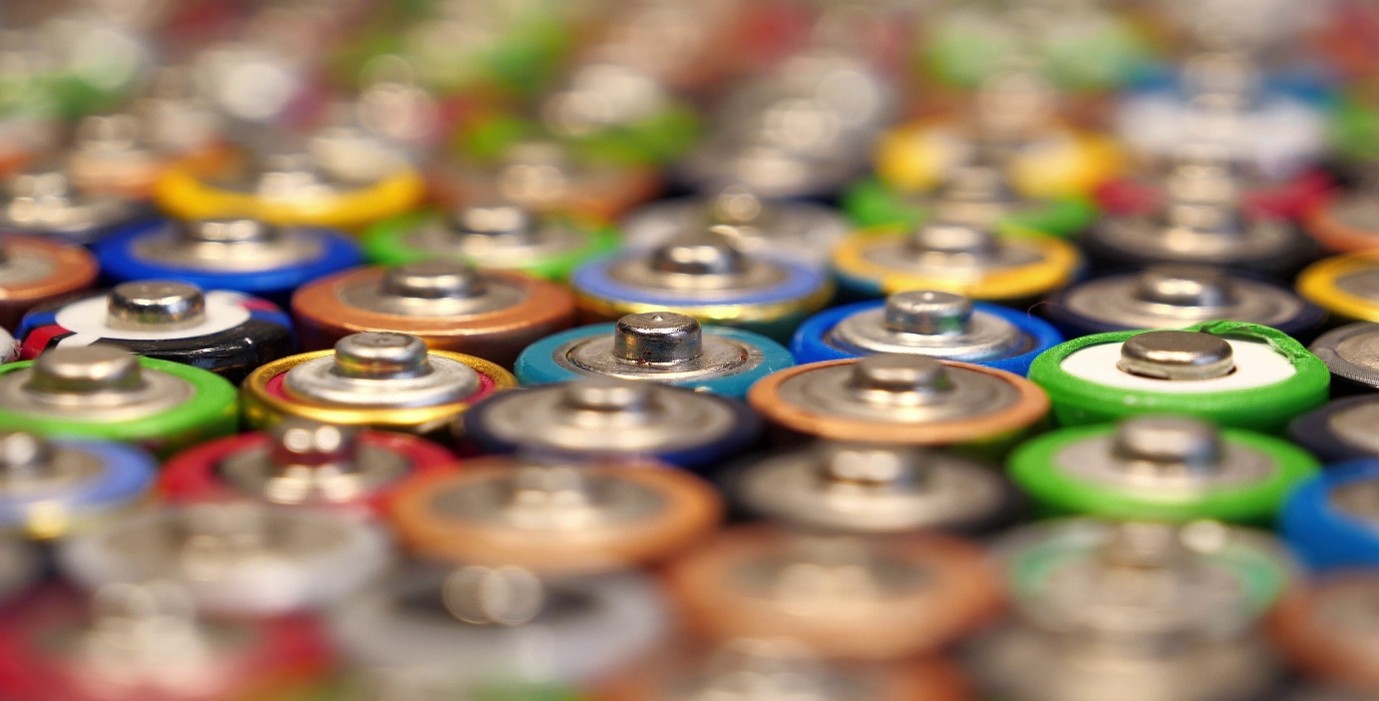
While the benefits of lithium-ion batteries are significant, their widespread adoption has also introduced new environmental and safety challenges that are often overlooked. Unlike traditional battery technologies, lithium-ion batteries contain large amounts of stored energy and specialized chemical components that require careful handling throughout their lifecycle. As organizations continue to incorporate battery-powered equipment into their operations, understanding these challenges has become an important part of protecting employees, supporting environmental responsibility, and preparing for future regulatory expectations.
The Technology Powering Modern Industry
The popularity of lithium-ion batteries can largely be attributed to their performance advantages over older battery technologies. Compared to traditional lead-acid or nickel-cadmium batteries, lithium-ion batteries offer higher energy density, longer service life, faster charging capabilities, and significantly lower maintenance requirements. These characteristics have made them an ideal choice for applications where reliability, efficiency, and portability are essential. Whether powering handheld tools on a construction site or serving as backup power for critical infrastructure, lithium-ion batteries provide dependable performance while reducing the weight and size of the equipment they support.
In recent years, their use has expanded well beyond consumer electronics. Warehouses increasingly rely on lithium-ion powered forklifts, commercial facilities are installing battery energy storage systems to complement renewable energy projects, and electric vehicle fleets are becoming more common across both the public and private sectors. Even emergency response equipment, medical devices, and telecommunications infrastructure now depend on lithium-ion battery technology to maintain continuous operation during power interruptions. As these applications continue to grow, so does the importance of understanding how these batteries differ from more conventional energy storage systems.
The rapid adoption of lithium-ion batteries has also changed the way businesses approach energy management. Battery-powered equipment often reduces maintenance costs, eliminates emissions associated with internal combustion engines, and improves operational efficiency in enclosed work environments. Warehouses, manufacturing facilities, and distribution centers have increasingly transitioned to battery-powered forklifts because they require less routine maintenance than lead-acid alternatives and can often be charged more efficiently during scheduled breaks. As battery technology continues to improve, these operational advantages are expected to encourage even greater adoption across commercial and industrial sectors.
One of the defining characteristics of lithium-ion batteries is the amount of energy they can store within a relatively small space. This high energy density allows batteries to operate for extended periods without frequent recharging, making them highly efficient for everyday use. However, concentrating such large amounts of energy into compact battery cells also creates hazards that are not typically associated with traditional battery technologies. While failures remain relatively uncommon, the consequences can be much more severe when they do occur, particularly if batteries become damaged, improperly charged, or exposed to excessive heat.
Understanding Thermal Runaway
Perhaps the most widely recognized safety concern associated with lithium-ion batteries is a phenomenon known as thermal runaway. Unlike conventional battery failures that may simply result in reduced performance or leakage, thermal runaway is a self-sustaining chemical reaction that can rapidly generate extreme amounts of heat. Once initiated, the rising temperature inside the battery causes additional chemical reactions to occur, producing even more heat and creating a cycle that becomes increasingly difficult to stop. In many cases, this process can lead to fires, explosions, or the release of flammable and toxic gases. Unlike many conventional fires, thermal runaway is largely driven by the battery's own internal chemical reactions, meaning the fire can continue generating heat even after the external ignition source has been removed.

Thermal runaway can be triggered by several different factors, including physical damage, manufacturing defects, short internal circuits, overcharging, or exposure to elevated temperatures. Even a battery that appears to function normally after being dropped or punctured may have sustained internal damage that is not immediately visible. In some instances, a damaged battery may not experience thermal runaway until several hours, or even days after the initial incident. This delayed response makes identifying potentially hazardous batteries especially challenging and highlights the importance of proper inspection and handling procedures.
Unlike many traditional fires, lithium-ion battery fires can be particularly difficult to extinguish. Individual battery cells may continue generating heat even after visible flames have been suppressed, increasing the potential for reignition. Emergency responders often monitor damaged batteries for extended periods following an incident to ensure temperatures remain stable and additional reactions do not occur. These characteristics have led many organizations to reevaluate emergency response procedures as battery-powered equipment becomes more common in the workplace.
Environmental Considerations Beyond Fire
While thermal runaway and battery fires often receive the most public attention, the environmental challenges associated with lithium-ion batteries extend far beyond emergency incidents. Every stage of a battery's lifecycle, from raw material extraction and manufacturing to recycling and disposal, carries environmental implications that deserve careful consideration. One of the primary environmental concerns involves the extraction of raw materials such as lithium, cobalt, nickel, manganese, graphite, and copper. Producing these materials requires significant amounts of energy, water, and land, while mining activities can contribute to habitat disruption, greenhouse gas emissions, and waste generation. As demand for battery-powered technologies continues to increase, developing more sustainable methods for sourcing these materials will become increasingly important.
Manufacturing lithium-ion batteries is also an energy-intensive process. Although producing battery cells requires substantial resources, many of these impacts are offset over the battery's operational life through improved energy efficiency and reduced emissions. Battery storage systems also support renewable energy by storing electricity generated from solar and wind sources, while electric vehicles and battery-powered equipment help reduce dependence on fossil fuels. When evaluated over their entire lifecycle, lithium-ion batteries often provide meaningful environmental benefits despite the impacts associated with their production.
Although these environmental impacts remain an important consideration, researchers and manufacturers continue developing new technologies to improve battery production and reduce their overall environmental footprint. Advances in battery chemistry, improvements in manufacturing efficiency, and increased use of recycled materials are helping reduce the overall environmental footprint of newer battery technologies. Continued innovation in these areas will play an important role in balancing growing demand for rechargeable batteries with long-term sustainability objectives.
Recycling and Disposal Challenges
As millions of lithium-ion batteries reach the end of their useful life each year, proper recycling and disposal have become increasingly important. Unlike many household materials, lithium-ion batteries cannot simply be discarded with ordinary waste because their chemical composition and stored electrical energy require specialized handling. Improper disposal not only wastes valuable resources but can also create significant safety risks for waste management personnel and recycling facilities.
Recycling lithium-ion batteries remains challenging because manufacturers use a variety of battery chemistries and designs. Before valuable materials can be recovered, batteries must be identified, sorted, discharged, dismantled, and processed using specialized equipment. These additional steps increase both the complexity and cost of recycling compared to materials such as aluminum, steel, or paper.
Consumer awareness also plays an important role in improving battery recycling efforts. Many communities now offer designated collection locations for rechargeable batteries through retailers, municipal recycling programs, or household hazardous waste events. Encouraging individuals and businesses to take advantage of these programs helps reduce the number of batteries entering conventional waste streams while improving opportunities to recover valuable materials. As collection networks continue to expand, proper recycling is expected to become more accessible for both residential and commercial users.
Improper disposal has also become a growing cause of fires at recycling centers, waste transfer stations, and landfills. Batteries discarded in household trash or mixed recycling containers can become crushed during collection and processing, damaging internal battery cells and increasing the risk of thermal runaway. Despite these challenges, recycling remains one of the most effective ways to recover valuable materials such as lithium, cobalt, nickel, and copper, reducing the need for additional mining while supporting a more sustainable supply chain.
Regulatory Considerations for Businesses
As lithium-ion batteries become more common across commercial and industrial operations, businesses should understand the regulatory considerations associated with their storage, transportation, and end-of-life management. Environmental, health, and safety professionals play an important role in developing procedures that protect employees, emergency responders, and the surrounding environment.
Damaged or defective batteries require particular attention. Batteries that have been crushed, punctured, exposed to excessive heat, or show signs of swelling may present a greater risk of thermal runaway than batteries in normal operating condition. Establishing designated storage areas, separating damaged batteries from unaffected units, and training employees to recognize warning signs can significantly reduce the likelihood of an incident.
Transportation is another important consideration. Because lithium-ion batteries contain significant amounts of stored energy, many shipments are subject to packaging, labeling, and documentation requirements established by transportation agencies. Facilities should also review their emergency response plans to ensure battery storage locations, response procedures, and employee training adequately address battery-related incidents before an emergency occurs.
Businesses should also routinely review manufacturer recommendations for battery charging, maintenance, and storage. Following these guidelines can help reduce the likelihood of equipment failures while supporting compliance with workplace safety policies. Developing written procedures and incorporating battery safety into employee training programs can further strengthen an organization's overall environmental, health, and safety management system.
Building a Safer and More Sustainable Future
The continued growth of lithium-ion battery technology reflects a broader shift toward cleaner, more efficient energy systems. As industries invest in electrification, renewable energy, and advanced manufacturing, rechargeable batteries will continue to play an increasingly important role in supporting innovation while reducing dependence on traditional fossil fuels.At the same time, the growing use of lithium-ion batteries demonstrates that technological advancement often introduces new environmental and operational challenges. Successfully managing these challenges requires understanding how batteries function, recognizing the risks they present, and implementing practices that support their safe use throughout their lifecycle.
For businesses, developing procedures for battery inspection, storage, employee training, recycling, and emergency response can reduce operational risks while supporting broader environmental goals. As recycling technologies continue to improve and battery use continues to expand, organizations that proactively address these issues will be better prepared for future challenges while helping ensure this increasingly important technology is used safely, responsibly, and sustainably.
As battery technology continues to evolve, so too will the environmental and safety considerations surrounding its use. By remaining informed and adopting responsible management practices, businesses can take advantage of the many benefits lithium-ion batteries offer while minimizing the risks they present to employees, communities, and the environment.