Reducing Hazardous Waste in Industrial Plastics:A Strategic Pathway to "Going Green"
By N. Mark Frazier, Vice President/National Regulatory Affairs (Tulsa)
Mark Frazier holds a Bachelor of Business Administration degree from Oklahoma State University (Stillwater) and has over 20 years of experience in the Environmental, Health & Safety (EHS) Compliance field as a Certified Regulatory Compliance Specialist.
Industrial plastics as an important sector within American industry (also, worldwide) sits at the center of modern manufacturing. From automotive components to medical devices, packaging, electronics, and construction materials, plastics enable durability, efficiency, and affordability at massive scale. Yet the same industry that fuels global productivity also generates significant hazardous waste—chemical byproducts, contaminated scrap, microplastics, solvent residues, and additives that pose risks to ecosystems and human health. As companies face rising pressure to adopt sustainable practices, reducing hazardous waste in industrial plastics has emerged as one of the most powerful strategies for "going green."
An important concern, therefore, is…why hazardous waste reduction in industrial plastics matters, how it can be achieved, and what it means for the future of sustainable manufacturing.
The Environmental Protection Imperative
The plastics industry produces millions of tons of waste annually, and a portion of that waste is classified as hazardous due to its chemical composition. Additives such as phthalates, PFAS, flame retardants, heavy metals, and volatile organic compounds (VOCs) can leach into soil and water, harming wildlife and contaminating food chains. Industrial processes also generate solvent-laden wastewater, polymer sludge, and off-spec materials that require specialized disposal.

Reducing hazardous waste is not simply a compliance issue—it is a direct investment in environmental stewardship. Companies that adopt greener practices reduce pollution, conserve resources, and demonstrate leadership in sustainability.
Why Hazardous Waste Reduction Is a Cornerstone of “Going Green”
The phrase “going green” often evokes images of renewable energy, recycling programs, and carbon reduction. But for industrial plastics, hazardous waste reduction is arguably the most impactful sustainability lever on our planet because it:
- Cuts pollution at the source, preventing harmful chemicals from entering ecosystems
- Reduces regulatory risk, avoiding fines and costly remediation
- Improves worker safety, lowering exposure to toxic substances
- Strengthens brand reputation, appealing to environmentally conscious consumers and investors
- Supports circular economy goals, enabling cleaner recycling streams and material recovery
In other words, hazardous waste reduction is not just an environmental strategy—it is a business strategy.
Key Sources of Hazardous Waste in Industrial Plastics
Understanding where hazardous waste originates is the first step toward eliminating it. Major sources include:
- Chemical additives used to enhance flexibility, durability, or flame resistance
- Solvents and cleaning agents used in molding, extrusion, and finishing
- Contaminated scrap from production errors or equipment malfunctions
- Wastewater containing microplastics, monomers, and residual chemicals
- Thermal degradation byproducts created during high-temperature processing
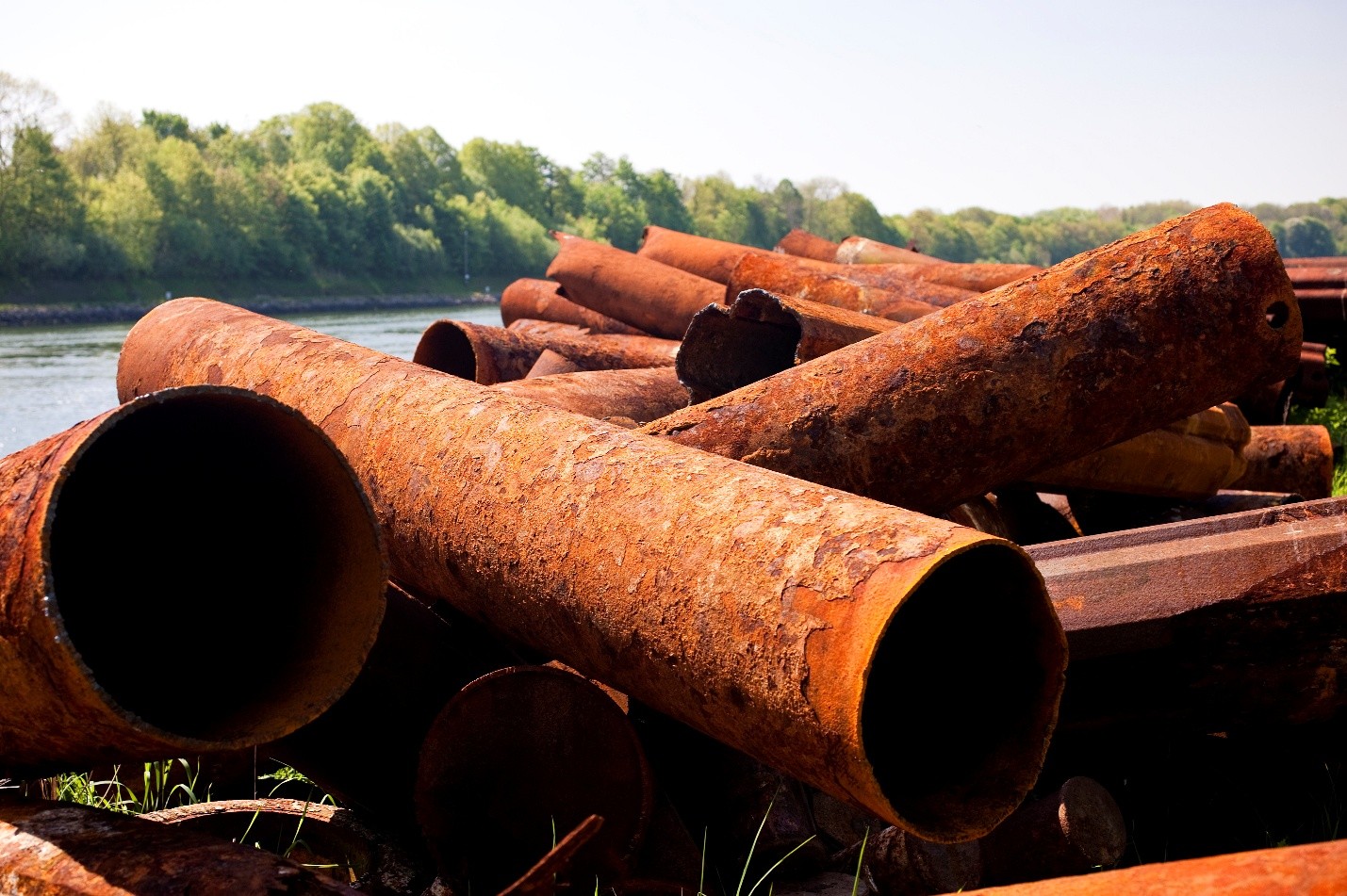
Each of these sources requires targeted interventions to reduce or eliminate hazardous outputs.
Strategies for Reducing Hazardous Waste in Industrial Plastics
Below is a structured, comprehensive breakdown of the most effective strategies. Each section includes Guided Links so you can explore any topic further.
- Redesigning Materials for Safety and Sustainability
Material innovation is one of the most powerful tools for waste reduction.
Bio based and biodegradable polymers
Companies are increasingly adopting bio based plastics derived from corn, sugarcane, algae, or cellulose. These materials reduce reliance on fossil fuels and often contain fewer hazardous additives. Biodegradable polymers such as PLA and PHA can also reduce long-term environmental impact. Explore bio based plastics or biodegradable polymers.
 Non toxic additives
Replacing hazardous additives with safer alternatives—such as non halogenated flame retardants or plant based plasticizers—reduces toxic waste at the source. Learn about green additives.
Designing for recyclability
Simplifying polymer blends and reducing incompatible additives makes recycling easier and cleaner, reducing hazardous residues. Explore design for recyclability.
- Cleaner Production Processes
Cleaner production focuses on reducing waste during manufacturing.
Closed loop water systems
Recycling process water prevents contaminated wastewater from entering the environment. Learn about closed loop systems.
Solvent free or low VOC processing
Switching to water based lubricants, non solvent cleaning methods, or low VOC chemicals dramatically cuts hazardous waste. Explore low VOC manufacturing.
Advanced filtration and capture technologies
Cyclone separators activated carbon filters, and membrane filtration can capture microplastics and chemical residues before they become waste. Learn about industrial filtration.
- Waste Minimization Through Lean Manufacturing
Lean principles reduce scrap, defects, and inefficiencies.
Precision molding and extrusion
Better temperature control, mold design, and automation reduce off-spec products and contaminated scrap. Explore precision molding.
Predictive maintenance
Equipment failures often produce hazardous waste. Predictive maintenance uses sensors and analytics to prevent breakdowns. Learn about predictive maintenance.
Material tracking and optimization
Real-time monitoring of resin flow, additive usage, and scrap rates helps identify waste hotspots. Explore material optimization.
- Recycling and Circular Economy Integration
Recycling is essential—but only when materials are clean and safe.
Mechanical recycling improvements
Better sorting, washing, and shredding reduce contamination and hazardous residues. Learn about mechanical recycling.
Chemical recycling
Advanced depolymerization and pyrolysis can break plastics down into monomers or fuels, reducing hazardous waste. Explore chemical recycling.
Industrial symbiosis
Regulations shape how companies manage hazardous waste.
- Regulatory Compliance and Proactive Governance
Regulations shape how companies manage hazardous waste.
U.S. EPA RCRA standards
The Resource Conservation and Recovery Act (RCRA) governs hazardous waste handling, storage, and disposal. Explore RCRA compliance.
ISO 14001 environmental management systems
ISO 14001 helps companies build structured sustainability programs. Learn about ISO 14001.
Extended Producer Responsibility (EPR)
EPR laws require manufacturers to take responsibility for end-of-life waste, incentivizing safer materials and cleaner production. Explore EPR programs.
- Digital Transformation and Smart Manufacturing
Digital tools can dramatically reduce hazardous waste.
AI driven process optimization
Machine learning models can predict waste generation and optimize production parameters. Learn about AI in plastics manufacturing.
Digital twins
Simulating production lines helps identify waste sources before physical changes are made.
Blockchain for material traceability
Blockchain ensures transparency in supply chains, reducing contamination and improving recycling outcomes. Learn about blockchain traceability.
- Automotive Plastics Manufacturers
Automotive suppliers have reduced hazardous waste by switching to non halogenated flame retardants and implementing closed-loop cooling systems. Scrap rates have dropped by up to 30%, and VOC emissions have fallen significantly.
- Medical Device Plastics
Medical plastics companies are adopting solvent-free sterilization and recyclable biopolymers, reducing hazardous waste while meeting strict regulatory standards.
- Consumer Packaging
Major brands are redesigning packaging to eliminate PFAS, reduce multilayer films, and increase recyclability—cutting hazardous waste at both production and disposal stages.
Economic Benefits of Hazardous Waste Reduction
Reducing hazardous waste is not just environmentally responsible—it is financially strategic.
Lower disposal costs
Hazardous waste disposal can cost 10–50×’s more than non-hazardous waste.
Reduced regulatory fines
Compliance reduces the risk of costly violations.
Improved operational efficiency
Lean processes reduce scrap, downtime, and material usage.
Stronger market competitiveness
Sustainability attracts customers, investors, and partners.
Access to green incentives
Governments offer tax credits and grants for sustainable manufacturing.
Challenges and Barriers
Despite the benefits, companies face obstacles:
- High upfront costs for new equipment
- Limited availability of green additives
- Technical challenges in recycling complex polymers
- Regulatory uncertainty in emerging markets
- Workforce training requirements
However, these barriers are shrinking as technology advances and sustainability becomes a global priority.
The Future of “Green” Industrial Plastics
The next decade will bring transformative innovations:
- Bio engineered polymers
Microbial fermentation will produce safer, customizable plastics.
- AI controlled zero waste factories
Fully automated systems will minimize scrap and hazardous byproducts.
- Advanced chemical recycling at scale
New catalysts and reactors will make chemical recycling more efficient and less energy-intensive.
- Global harmonization of regulations
Unified standards will simplify compliance and accelerate adoption of green practices.
- Consumer-driven sustainability
Demand for eco-friendly products will push companies to innovate faster.
Reducing hazardous waste in industrial plastics is one of the most effective strategies for going green. It addresses environmental concerns, improves safety, strengthens regulatory compliance, and enhances economic performance. Through material innovation, cleaner production, digital transformation, and circular economy integration, the plastics industry can transition toward a more sustainable future.
This shift is not optional—it is essential. Companies that embrace hazardous waste reduction today will lead the green manufacturing revolution tomorrow.